If you’ve ever searched for lobster and seen “Red Lobster” next to “real lobster,” you’re not alone in wondering what the difference is. The short answer: Red Lobster is a chain restaurant, not a type of lobster. But the longer answer reveals a lot about how lobster is marketed, prepared, and what you should know before you order.
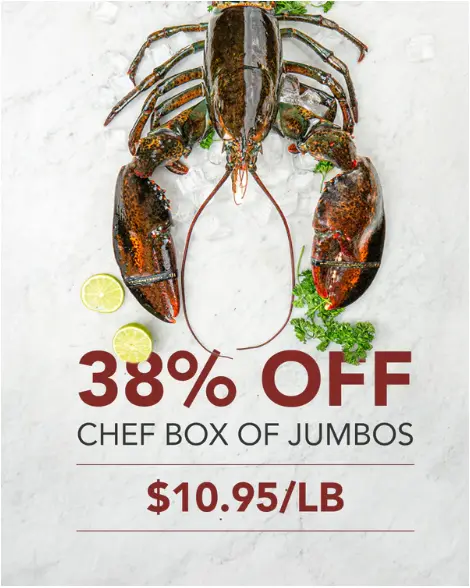

In this article, we’ll compare the Red Lobster restaurant experience with buying and cooking real, whole Maine lobster at home. We’ll cover quality, cost, sustainability, and taste so you can make an informed choice the next time you’re craving seafood.
What Is Red Lobster?
Red Lobster is a casual dining seafood restaurant chain founded in 1968 in Lakeland, Florida. It’s owned by Thai Union Group (a major seafood company) and operates over 600 locations in the United States and around the world. The chain is known for its Cheddar Bay Biscuits, endless shrimp promotions, and a wide menu of affordable seafood dishes.
Red Lobster serves lobster in several forms: whole lobster (usually 1–1.25 lb North American or spiny lobster), lobster tails, lobster dishes (like lobster pasta, lobster bisque), and their signature Lobsterfest promotions. But the lobster you get at Red Lobster is very different from what you’d buy to cook at home.
The Lobster They Serve vs Real Maine Lobster
Red Lobster sources lobster from multiple regions, and the quality varies depending on the dish.
North American (Maine) lobster: Red Lobster does serve Maine lobster, but typically only for their higher-priced whole lobster entrees or special Lobsterfest items. These are the same Homarus americanus species you’d buy from a seafood market. The difference is in how they’re handled: shipped frozen rather than live, which affects texture.
Warm-water lobster (spiny/rock lobster): Many of Red Lobster’s lobster tails come from warm-water species like Caribbean spiny lobster (Panulirus argus) or rock lobster from Australia and New Zealand. These lobsters have no large claws and the meat comes entirely from the tail. The texture is different — generally less sweet and more fibrous than Maine lobster.
Frozen imports: A significant portion of Red Lobster’s lobster is imported frozen from Asia, South America, and the Caribbean. Freezing is standard for chain restaurants because it allows centralized processing and year-round availability, but flash-frozen lobster never tastes as good as fresh-cooked live lobster.
When you buy live Maine lobster and cook it yourself, you’re getting the highest-quality product available. The lobster never touched a freezer and was alive until the moment you cooked it.
Cost Comparison: Red Lobster vs Home-Cooked
This is where the difference becomes stark. Let’s compare what you’d pay for a similar meal:
| Item | Red Lobster Price | Home-Cooked Equivalent |
|---|---|---|
| Whole live lobster (1.25 lb) | $28–$36 | $8–$15 (plus shipping) |
| Lobster tail (6–8 oz) | $22–$30 | $10–$18 |
| Lobster pasta dish | $18–$26 | $10–$15 |
| Lobster bisque (cup) | $7–$9 | $3–$5 |
| Lobster roll | $16–$22 | $7–$12 |
The markup at Red Lobster is 2–3x what you’d pay to cook the same food at home. That’s typical for any restaurant, but with lobster, the gap is especially large because the ingredient itself is expensive. On the plus side, you don’t have to do any prep, cooking, or cleanup.
If you’re feeding a family of four, cooking at home could save you $60–$100 on a lobster dinner compared to eating at Red Lobster.
Quality and Freshness
Freshness is the single biggest advantage of cooking live lobster at home. Here’s why:
- Live vs frozen: A live lobster cooked within hours of arrival will have firm, sweet, perfectly textured meat. Frozen lobster loses moisture during freezing, and the meat becomes softer and less flavorful.
- Control over cooking: Restaurants pre-cook and reheat lobster for efficiency. You can cook a lobster from live to plate in 15 minutes, getting it at the exact moment it’s done.
- Whole lobster experience: At home, you get the whole lobster with all its parts: tail, claws, knuckles, legs, tomalley, and roe (if female). At Red Lobster, many dishes use only the tail or picked meat, and you miss out on the other parts.
- No shortcuts: Home cooks can use top-quality butter, fresh herbs, and proper technique. Restaurants often use cheaper ingredients to protect margins.
That said, Red Lobster’s whole lobster entrees are their freshest option. If you must eat out, that’s what we’d recommend ordering.
Taste Comparison: Can You Tell the Difference?
In a blind taste test, most people can tell the difference between fresh-cooked live Maine lobster and the frozen lobster served at chain restaurants. Here’s what to expect:
- Fresh live Maine lobster: Sweet, clean, briny flavor. Firm, springy texture. The meat flakes easily and has a translucent-white appearance when cooked perfectly.
- Red Lobster whole lobster: Acceptable but noticeably different. The texture is softer, the flavor is less sweet, and there’s often a slight wateriness from freezing and thawing.
- Red Lobster lobster tail (warm-water): Firmer but more fibrous. The flavor is less sweet and more generic. These tails are often “soaked” to add moisture, which dilutes flavor.
The Cheddar Bay Biscuits and drawn butter at Red Lobster do a lot of heavy lifting. They’re delicious and can mask the quality gap. But if you put a fresh-cooked Maine lobster tail next to a Red Lobster tail, the difference is unmistakable.
Sustainability Comparison
This is a complex issue. Let’s compare:
Maine lobster fishery: Highly regulated and one of the most sustainable fisheries in the world. Size limits, trap limits, license limits, V-notch programs, and protection of egg-bearing females ensure the population remains healthy. The Maine lobster fishery is certified sustainable by the Marine Stewardship Council.
Red Lobster sourcing: Red Lobster sources from multiple countries with varying regulations. Warm-water spiny lobster fisheries in the Caribbean have less stringent management and some are overfished. Thailand and Vietnam, where some of Red Lobster’s imported lobster comes from, have different labor and environmental standards.
If sustainability matters to you, buying live Maine lobster from a reputable source is the better choice. You’re supporting a well-managed, local (to the U.S.) fishery with transparent practices.
Is Red Lobster’s Lobster Real Lobster?
Yes, the lobster at Red Lobster is real lobster. It’s not imitation lobster (which is typically made from whitefish or surimi and flavored to taste like lobster). However, the species, quality, and freshness vary significantly by dish.
The bigger question is: is it good lobster? That depends on your expectations. If you want a convenient, affordable lobster meal with zero effort, Red Lobster delivers. If you want the best possible lobster experience — sweet, fresh, perfectly cooked, with all the parts — you need to cook live lobster at home.
In fact, Red Lobster has faced multiple lawsuits over alleged misrepresentation of its lobster. Some customers have claimed the chain substitutes cheaper warm-water lobster tail for Maine lobster without clear labeling. The chain has settled some of these claims. Always read the menu carefully.
The Red Lobster Experience vs the Home Lobster Dinner
Let’s be fair: Red Lobster offers things you can’t replicate at home. The Cheddar Bay Biscuits are legendary (and the recipe is a trade secret). The endless shrimp promotions are great value if you’re a shrimp lover. The atmosphere, service, and convenience of a sit-down meal have real value.
But for the lobster itself, the home-cooked version wins every time. Here’s how to make it happen:
- Order live Maine lobster from a reputable online seller and have it delivered to your door.
- Store it properly (see our storing live lobster guide) and cook it within 24–48 hours.
- Boil or steam for 10–12 minutes per our cooking guide.
- Serve with melted butter, lemon wedges, and your favorite sides.
- Make your own Cheddar Bay-style biscuits using any of the countless copycat recipes online.
The total cost for a lobster dinner for two at home: about $30–$50, including lobster, butter, sides, and biscuits. At Red Lobster, the same meal would run $60–$80 before tip.
Frequently Asked Questions
Does Red Lobster use imitation lobster? No. The lobster they serve is real lobster, though the species varies. Imitation lobster is made from surimi (processed fish paste) and is clearly labeled as such.
Can I buy Red Lobster’s frozen lobster tails? Yes. Red Lobster sells retail packs of frozen lobster tails in some grocery stores. They’re the same warm-water tails used in many restaurant dishes.
Is Red Lobster’s lobster fresh or frozen? Most of their lobster arrives frozen. The whole lobsters in their tanks may be live, but many are shipped frozen and thawed for display.
Why does Red Lobster’s lobster taste different from fresh? Freezing, thawing, and sometimes species substitution change the texture and flavor. The Cheddar Bay Biscuits and butter are designed to bridge that gap.
Is it cheaper to cook lobster at home or go to Red Lobster? Significantly cheaper at home. You can save 40–60% by cooking live lobster yourself.
Does Red Lobster serve Maine lobster or spiny lobster? Both, depending on the dish. Whole lobster entrees tend to be Maine lobster. Tail dishes are often warm-water spiny lobster. Check the menu description carefully.
The Bottom Line
Red Lobster is a perfectly fine restaurant for a casual seafood dinner. Their lobster is real and edible. But if you want the best lobster experience, nothing beats cooking a live Maine lobster at home. You get better quality, better flavor, more meat, lower cost, and the satisfaction of doing it yourself.
Next time you’re craving lobster, skip the restaurant, buy fresh lobster online, and have a lobster dinner at home. You’ll taste the difference immediately.
Leave a Reply