The shells are not garbage. After you eat a lobster the shells still have immense flavor locked inside. Making stock or bisque from the shells is the difference between getting one meal from a lobster and getting two. The stock costs nothing but water and time, check out our guide on buy lobster..
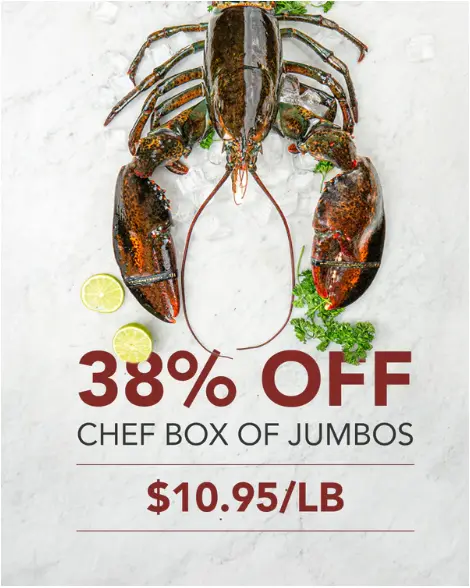
Collect all the shells from your lobster dinner. The claws the tail shell the legs the body. Everything. Roast them in a 375 degree oven for 15 to 20 minutes until they turn deep red and smell intensely of lobster. Roasting concentrates the flavor and adds depth that simmering alone cannot achieve.
Put the roasted shells in a pot with chopped onion carrot celery and a bay leaf. Cover with cold water. Bring to a gentle simmer not a boil and cook for 30 minutes. Strain the liquid. That is lobster stock. It freezes well and can be used for risotto pasta or as a base for chowder.
For bisque take the stock and turn it into something luxurious. Sauté more aromatics in butter. Add tomato paste and cook until it darkens. Add the stock and a splash of brandy or sherry. Simmer for 20 minutes. Finish with cream and blend until smooth. The result is a soup that tastes like concentrated lobster. Serve it as a starter before a main course of more lobster dishes, check out our guide on leftover lobster recipes., check out our guide on how to cook lobster..
The shells that would have gone in the trash become the foundation of a second meal. That is resourceful cooking. It honors the fact that a lobster is a living thing that gave its life for your meal. Using every part is the respectful thing to do.
Why Lobster Shells Are the Secret to Deep Seafood Flavor
The flavor compounds that make lobster taste like lobster live in the shell and the tomalley, not just the meat. When you roast lobster shells, you trigger the Maillard reaction, creating hundreds of new flavor compounds. The shells contain chitin, proteins, and residual tomalley that break down during roasting and simmering, releasing glutamates and nucleotides that give stock its characteristic savory depth.
This is why professional chefs insist on making stock from scratch. A homemade lobster stock carries the concentrated essence of the crustacean in a way that a generic fish stock never can. The color alone tells the story: deep reddish-orange instead of pale brown. The aroma fills your kitchen with the scent of the coast.
To get the best results, you need quality lobsters. The flavor of your stock is only as good as the flavor of the shells you put in it. That is why the best lobster stock comes from lobsters that were alive until you cooked them. When you buy live lobster online, you are guaranteeing that the shells come from a fresh, healthy animal. Shells from pre-cooked frozen lobsters can work but will not produce the same depth of flavor.
Step-by-Step Lobster Stock Recipe
This recipe makes approximately 2 quarts of rich lobster stock. It takes about an hour of active time and yields enough stock for multiple meals.
Ingredients
- Shells from 3 to 4 lobsters (about 2 pounds of shells)
- 2 tablespoons olive oil
- 1 large onion, roughly chopped
- 2 large carrots, roughly chopped
- 3 celery stalks, roughly chopped
- 4 cloves garlic, smashed
- 2 tablespoons tomato paste
- 1 cup dry white wine
- 8 cups cold water
- 1 bay leaf
- 1 teaspoon black peppercorns
- Small bunch of fresh thyme or 1 teaspoon dried thyme
- Salt to taste
Instructions
Step 1: Roast the shells. Preheat your oven to 375°F. Spread the lobster shells on a baking sheet in a single layer. Roast for 15 to 20 minutes, stirring once halfway through. The shells should turn deep red and begin to brown slightly at the edges. You will smell an intense, sweet lobster aroma when they are ready.
Step 2: Sauté the aromatics. Heat the olive oil in a large stockpot over medium heat. Add the onion, carrots, celery, and garlic. Cook for 8 to 10 minutes until the vegetables soften and begin to brown. Add the tomato paste and cook for another 2 minutes, stirring constantly, until the paste darkens.
Step 3: Deglaze with wine. Pour in the white wine and scrape up any browned bits from the bottom of the pot. Let the wine reduce by half, about 2 to 3 minutes.
Step 4: Add shells and water. Add the roasted shells to the pot along with the cold water, bay leaf, peppercorns, and thyme. The shells should be fully submerged.
Step 5: Simmer gently. Bring to a gentle simmer over medium heat. Do not let it boil hard, as vigorous boiling can make the stock bitter. Reduce the heat to low and simmer uncovered for 45 minutes to 1 hour. Skim any foam that rises to the surface.
Step 6: Strain and season. Strain the stock through a fine-mesh strainer or cheesecloth into a large bowl. Press on the shells and vegetables with a spoon to extract all the liquid. Season lightly with salt. A good lobster stock should have a rich reddish-orange color and a clean, intense lobster flavor without any bitterness.
How to Make Restaurant-Quality Lobster Bisque
Lobster bisque is one of the great achievements of French seafood cooking, but it is surprisingly simple to make at home if you have good stock.
Ingredients
- 4 cups lobster stock
- 4 tablespoons unsalted butter
- 1 medium onion, finely diced
- 2 celery stalks, finely diced
- 1 medium carrot, finely diced
- 3 cloves garlic, minced
- 3 tablespoons tomato paste
- ¼ cup brandy or dry sherry
- 1 cup heavy cream
- Salt and white pepper to taste
- Optional: chopped lobster meat for garnish
Instructions
Step 1: Melt the butter in a large pot over medium heat. Add the onion, celery, carrot, and garlic. Cook for 8 minutes until soft and translucent. Do not rush this step.
Step 2: Add the tomato paste and stir constantly for 2 to 3 minutes until it darkens to a deep rusty color. This removes raw acidity and adds savory depth.
Step 3: Pour in the brandy and stir. Let it bubble for 1 minute to cook off the alcohol while keeping the essence.
Step 4: Add the lobster stock and bring to a gentle simmer. Cook for 20 to 25 minutes, stirring occasionally.
Step 5: Remove from heat. Use an immersion blender to puree until completely smooth. If using a countertop blender, work in batches and fill no more than halfway.
Step 6: Return to low heat and stir in the heavy cream. Warm through for 2 to 3 minutes but do not let it boil, as high heat can cause curdling. Season with salt and white pepper to taste.
Step 7: Ladle into warm bowls and garnish with chopped lobster meat, a drizzle of cream, and fresh chives. Serve with crusty bread. For a complete lobster dinner, pair this bisque with our grilled lobster tail recipe.
Creative Ways to Use Lobster Stock Beyond Bisque
Lobster stock is one of the most versatile ingredients you can keep in your kitchen. Here are several ways to use it.
Lobster Risotto. Replace chicken stock with lobster stock in your favorite risotto recipe. The starches in Arborio rice absorb the lobster flavor beautifully. Add chopped lobster meat at the end and you have a restaurant-quality main course.
Lobster Pasta. Reduce 2 cups of stock with white wine and cream, then toss with linguine and chunks of lobster meat. Add a pinch of red pepper flakes and fresh parsley. This is a 15-minute meal that tastes like you worked on it all afternoon.
Lobster Chowder. Use lobster stock as the base instead of clam juice. Add diced potatoes, salt pork, onions, and cream. Fold in lobster meat at the end for a chowder with deeper, sweeter seafood flavor than any clam chowder you have ever tasted.
Lobster Mac and Cheese. Replace half the milk with lobster stock and fold in chopped lobster meat. The stock adds a subtle seafood undertone that elevates comfort food. Use sharp white cheddar and Gruyère for the best results.
Seafood Stew Base. Add shrimp, mussels, clams, and white fish to simmering lobster stock with tomatoes, fennel, and saffron. Serve with grilled garlic-rubbed bread.
Freeze in cubes. Pour cooled stock into ice cube trays and freeze. Pop the cubes into a freezer bag. Each cube is about 2 tablespoons, perfect for adding concentrated lobster flavor to sauces and quick soups without thawing a whole quart.
How to Store Lobster Stock and Bisque for Later
Refrigerating stock: Cool completely before refrigerating. Use an ice bath or let sit at room temperature for no more than 2 hours. Transfer to airtight containers. Homemade lobster stock keeps in the refrigerator for 4 to 5 days. The fat may solidify on top, which is normal.
Freezing stock: Lobster stock freezes beautifully for up to 3 months. Leave at least 1 inch of headspace in containers since liquid expands when frozen. For convenience, freeze in 1-cup and 2-cup portions so you can thaw exactly what you need.
Storing bisque: Because bisque contains cream, it does not freeze as well as plain stock. The cream can separate and become grainy upon thawing. If you plan to freeze bisque, leave the cream out and add it after reheating. Refrigerated bisque keeps for 3 to 4 days. Reheat gently over low heat, stirring frequently. Do not microwave bisque, as uneven heating can curdle the cream.
To make large batches of stock, you will need plenty of shells. That means cooking several lobsters at once, which is both economical and delicious. When you buy live lobster online in bulk, you save on per-pound pricing and end up with enough shells to make several quarts of stock in a single session.
Frequently Asked Questions About Lobster Stock
Can I make stock from already-cooked shells?
Yes. Most lobster stock is made from shells that have already been cooked. If using shells from steamed or boiled lobsters, roast them for the full 20 minutes to maximize flavor.
Can I use frozen shells?
Yes. Save shells in a freezer bag and make stock when you have enough. No need to thaw before roasting, just add 5 minutes to the roasting time.
How do I prevent bitter stock?
Bitterness comes from the tomalley or from overcooking. Simmer gently rather than boiling hard, and do not cook for longer than 1 hour. A gentle simmer extracts flavor. A rolling boil extracts bitterness.
Can I make bisque without cream?
Yes. Use coconut milk or add a potato during simmering. Blend for a creamy texture without dairy. The flavor will be different but still excellent.
Can I use other shellfish?
Absolutely. The same technique works for crab, shrimp, and crawfish shells. Adjust roasting times based on shell thickness.
Getting Two Meals from Every Lobster
Making lobster stock and bisque from shells is one of the most satisfying techniques in home cooking. It turns waste into a valuable ingredient that enhances multiple meals. The stock costs essentially nothing to make, yet it adds a depth of flavor that cannot be bought in any store.
Start collecting your shells. Every time you cook lobsters at home, save the shells and make stock. Even a small batch is worth the effort. Before you know it, you will have a freezer stocked with liquid lobster flavor ready for risotto, pasta, chowder, and bisque at a moment’s notice.
If you are planning to make a big batch of stock, you will want fresh lobsters delivered right to your door. Buy live lobster online from Buylobster.org and enjoy free shipping on bulk orders over $99. Every lobster you cook gives you shells for stock, so you get two meals for the price of one.
Leave a Reply