If you’ve ever looked at a menu and wondered whether you’re getting lobster, crayfish, or langoustine, you’re not alone. These three crustaceans look similar at first glance, but they’re distinct in appearance, habitat, taste, and price. Here’s everything you need to know to tell them apart — and which one to choose for your next meal.

Quick Comparison: Lobster vs Crayfish vs Langoustine
| Feature | American Lobster | Crayfish (Crawfish) | Langoustine |
|---|---|---|---|
| Scientific Name | Homarus americanus | Procambarus clarkii (most common) | Nephrops norvegicus |
| Habitat | Cold saltwater (Atlantic) | Freshwater (rivers, streams) | Cold saltwater (Atlantic, Mediterranean) |
| Size | 1–20+ lbs, up to 24 inches | 3–6 inches, 1–6 oz | 6–10 inches, 2–8 oz |
| Claws | Two large claws (crusher + pincher) | Small claws | Long, slender claws |
| Color (raw) | Greenish-brown to dark blue | Red, brown, or blue | Pale pink to orange |
| Taste | Sweet, rich, firm | Sweet, delicate, softer | Delicate, sweet, tender |
| Price per lb | $15–$35 | $5–$10 | $18–$40 |
| Best Cooking | Boiling, steaming, grilling | Boiling (Cajun-style), étouffée | Grilling, sautéing, frying |
What Is a Lobster?
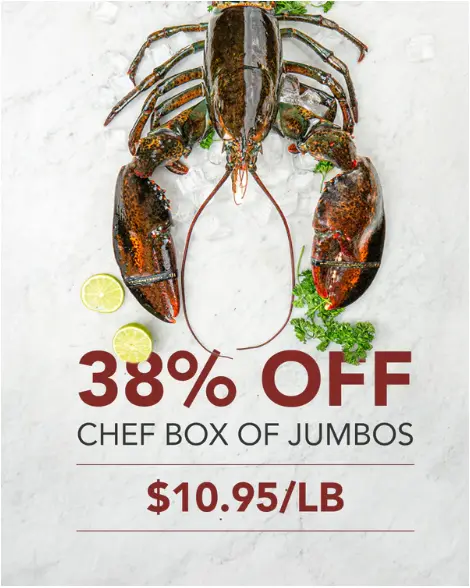
When most Americans say “lobster,” they mean the American lobster (Homarus americanus), also called Maine lobster. These are the big, clawed crustaceans found in the cold waters of the North Atlantic from Canada down to North Carolina.
Key characteristics:
- Two massive front claws — one crusher, one pincher
- Can weigh over 20 pounds, though most market lobsters are 1–2 pounds
- Long, segmented body with a fan-shaped tail
- Lives on rocky, muddy ocean floors at depths of 10–1,500 feet
- Sweet, rich meat with the claw meat being notably tender and flavorful
American lobster is the gold standard for lobster rolls, whole boiled dinners, and grilled tails. You can buy fresh lobster online to enjoy at home.
What Is a Crayfish?
Crayfish — also called crawfish, crawdads, or freshwater lobsters — are small freshwater crustaceans that look like miniaturized lobsters. They’re native to rivers, streams, and swamps across North America, Europe, and Australia.
Key characteristics:
- Much smaller — typically 3–6 inches long
- Small but functional claws
- Live exclusively in freshwater environments
- Red swamp crawfish (Procambarus clarkii) is the most common species
- Sweet, delicate meat — softer and less fibrous than lobster
Crayfish are a staple of Louisiana Cajun and Creole cooking. They’re boiled in massive pots with corn, potatoes, and plenty of seasoning. The classic crawfish étouffée is a rich, roux-based stew that showcases their delicate flavor.
Price comparison: Crayfish are significantly cheaper than lobster — around $5–$10 per pound live weight, making them an affordable alternative for seafood boils.
What Is a Langoustine?
Langoustine (Nephrops norvegicus) goes by many names: Norway lobster, Dublin Bay prawn, scampi (in Europe), or simply langoustine. It’s a slender, clawed crustacean that lives in the cold waters of the Northeast Atlantic and Mediterranean.
Key characteristics:
- Slender body compared to American lobster — reaches about 10 inches
- Long, thin claws — more elegant than the chunky lobster claw
- Pale pink to orange color, turning bright pink when cooked
- Lives in burrows on muddy seabeds at depths of 50–800 feet
- Exceptionally sweet, tender tail meat — often described as more delicate than lobster
Langoustine is highly prized in European cuisine, especially in Spain, Scotland, and Ireland. It’s often grilled with garlic butter, fried as scampi, or served cold in salads. The meat is so tender it almost melts in your mouth.
Langoustine is the most expensive of the three by weight — expect to pay $18–$40 per pound, especially for live or fresh specimens.
Appearance: How to Tell Them Apart at a Glance
The easiest way to tell these three apart is by looking at the claws and body proportions:
- American lobster: Massive, uneven claws (one thick crusher, one thinner pincher). Thick, muscular body. Dark coloration.
- Crayfish: Tiny claws. Small, slender body (2–6 inches). Most are reddish when mature. Found in freshwater.
- Langoustine: Long, thin, elegant claws. Slender body (6–10 inches). Pale pink-orange color. Saltwater only.
If it has massive claws and weighs more than 1.5 pounds, it’s a lobster. If it’s tiny and tasted in a spicy boil, it’s crayfish. If it’s medium-sized with a pink hue and delicate claws, it’s langoustine.
Taste & Texture Differences
Lobster has the richest, most robust flavor. The tail meat is firm and slightly chewy, while the claw meat is soft, flaky, and sweet. There’s a noticeable difference between tail and claw texture.
Crayfish meat is more delicate and softer. The flavor is sweet but milder than lobster. Because they’re smaller, the meat-to-shell ratio is lower — you work harder for each bite, but the flavor payoff is worth it.
Langoustine is prized for its incredibly tender, almost buttery texture. The sweetness is subtle and refined. Many seafood connoisseurs consider langoustine the finest-eating crustacean pound for pound.
Cooking Methods by Species
Lobster:
- Best whole: boiled or steamed
- Best for tails: grilled or broiled with butter
- Best for meat: lobster rolls, bisque, pasta
Crayfish:
- Best whole: Cajun-style crawfish boil
- Best for meat: étouffée, bisque, salads
- Don’t grill — they’re too small
Langoustine:
- Best whole: grilled with garlic butter
- Best for tails: fried as scampi, sautéed, or cold seafood platters
- Don’t boil for long — they cook in 2–3 minutes
Where to Buy Each
American Lobster: Available year-round from seafood markets, grocery stores, and online retailers. Live, cooked, frozen, and raw options. Peak season is June–December when molting is complete and lobsters are hardest. The best way to get premium quality is to shop for live lobster online from reputable suppliers.
Crayfish: Season is typically February–May (springtime in the South). Best found fresh in Louisiana or shipped live. Frozen tails are available year-round in most supermarkets outside the South.
Langoustine: Hardest to find in the US. Look in specialty seafood markets or European importers. Best quality comes from Scotland and Norway. Most langoustine sold in the US is frozen — fresh is rare and expensive.
Nutritional Comparison (per 100g / 3.5 oz cooked meat)
| Nutrient | Lobster | Crayfish | Langoustine |
|---|---|---|---|
| Calories | 90 | 87 | 85 |
| Protein | 19g | 18g | 18g |
| Fat | 0.9g | 1.4g | 0.8g |
| Cholesterol | 95mg | 115mg | 100mg |
| Vitamin B12 | 2.4mcg | 1.8mcg | 2.2mcg |
| Selenium | 51mcg | 37mcg | 44mcg |
| Zinc | 3.4mg | 2.3mg | 2.8mg |
All three are excellent sources of lean protein and essential minerals. They’re low in mercury and healthy in moderation.
Which Should You Choose?
Choose lobster if you want the classic lobster experience — big claws, rich flavor, and a hearty meal. It’s the most versatile and readily available. Ideal for special occasions like a lobster dinner delivered straight to your door.
Choose crayfish if you want a fun, messy feast with friends and family. Crawfish boils are social events. They’re also the most budget-friendly option. You get more pieces per pound, which makes them great for parties.
Choose langoustine if you’re looking for something special — the most delicate flavor, the most tender texture, and a touch of European elegance. Expect to pay a premium, and consider it a treat rather than an everyday meal.
Common Misconceptions
“Crayfish are just baby lobsters” — False. They’re different species from different families. Crayfish are fully grown at their small size and live in freshwater. The lobster FAQ covers more common lobster myths.
“Langoustine is just a small lobster” — Not quite. They’re in the same order (Decapoda) but different families. Langoustines have distinct anatomy — longer, thinner claws and a creamier texture.
“Scampi is a type of shrimp” — In the US, “shrimp scampi” is a dish, but in Europe, scampi refers specifically to langoustine meat. True scampi is langoustine, not shrimp.
Final Thoughts
Lobster, crayfish, and langoustine each bring something unique to the table. Lobster is the heavyweight champion with rich claw meat. Crayfish offers an affordable, social eating experience with delicate flavor. Langoustine is the refined European delicacy prized for its tender sweetness.
The best choice depends on your budget, occasion, and personal taste. But if you’re looking for the ultimate crustacean experience, nothing beats a fresh, live American lobster delivered from the cold Atlantic — and you can order lobster online from trusted sources for the best quality available.
Leave a Reply