The Great Lobster Debate: Tail or Whole?
When you’re planning to cook lobster at home, one of the first decisions you’ll face is whether to buy whole live lobsters or frozen lobster tails. Both options have passionate advocates, and both produce delicious results. But they’re fundamentally different products suited to different situations, and understanding the differences helps you make the right choice for your meal.
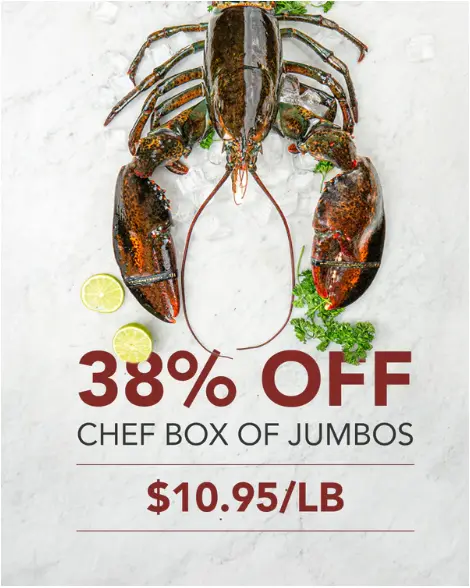

The decision between lobster tail and whole lobster affects everything from the price you’ll pay to the cooking method you’ll use, the presentation on the plate, and the overall dining experience. There’s no universally correct answer — the best choice depends on your priorities, your cooking plans, and the occasion. If you’re torn between the two options, this detailed comparison of lobster tail vs whole lobster will help you decide.
Key Differences at a Glance
Before diving into the details, here’s the high-level comparison between whole live lobsters and frozen lobster tails.
Whole live lobsters are the most authentic way to enjoy lobster. They arrive alive, must be cooked within a day or two of delivery, and require hands-on preparation. The meat from a whole lobster includes tail, claws, knuckles, and legs — each with a slightly different texture and flavor. The presentation is dramatic and impressive, making whole lobsters the choice for celebratory meals and special occasions.
Frozen lobster tails are convenient and practical. They’re pre-frozen, can be stored for months, and require minimal preparation. The tail is the meatiest part of the lobster, and tails are often larger and more uniform than whole lobsters. Lobster tails are easier to cook and eat, making them a practical choice for quick meals and weeknight cooking.
The rest of this guide explores the differences in detail so you can make an informed choice based on your specific needs.
Meat Quantity and Quality Comparison
The amount and quality of meat you get from each option varies significantly.
Whole lobster meat yield. A 1.25-pound live lobster yields approximately 4 to 6 ounces of meat, depending on the season and whether it’s a hard-shell or soft-shell lobster. Hard-shell lobsters have a higher meat-to-shell ratio, yielding closer to 25 to 30 percent of their body weight as meat. The meat comes from multiple sources: the tail (the largest single piece), the claws (sweet, tender meat), the knuckles (small but flavorful), and the legs (tiny but worth sucking out). Each source has a different texture, from the firm tail meat to the delicate claw meat.
Lobster tail meat yield. A frozen lobster tail yields 100 percent edible meat — there’s no waste from claws, legs, or shell beyond the tail shell itself. Tail meat is all one piece: a solid, firm fillet that’s easy to cook and even easier to eat. The meat-to-weight ratio is much higher — an 8-ounce tail yields about 4 to 5 ounces of cooked meat, which is roughly equivalent to the total meat from a 1.25-pound whole lobster.
Flavor differences. The flavor of whole live lobster is generally considered superior. The meat is sweeter and more tender because it comes from a live animal that went straight into the pot. The different meat sources also provide variety — the claw meat is famously sweet and tender, while the tail meat is firmer and more pronounced in flavor. Frozen tails can be excellent, but the freezing process can subtly affect the texture, making the meat slightly less tender than fresh-cooked meat.
Texture differences. Whole lobster meat, especially from the claws, has a delicate, almost buttery texture that’s hard to replicate. The tail meat from a whole lobster is firm but still tender when cooked properly. Frozen tail meat tends to be uniformly firm, which is fine for most preparations but lacks the variety and delicacy of meat from a whole lobster. The freezing process can also cause the meat to become slightly tougher if not handled correctly.
Cost Comparison: Which Gives Better Value?
Pricing for whole lobsters and lobster tails follows different logic, and comparing them directly requires some calculation.
Whole lobster pricing. Live lobsters are typically priced per pound, with the price fluctuating based on season, supply, and demand. The average price range for live Maine lobsters is roughly $10 to $18 per pound, depending on the season and the seller. A 1.25-pound lobster at $14 per pound costs about $17.50. With a meat yield of about 25 to 30 percent, the effective cost per ounce of meat ranges from about $3.50 to $5.00 per ounce.
Lobster tail pricing. Frozen lobster tails are priced per tail, with the price based on size. A 6 to 8-ounce tail typically ranges from $10 to $20, depending on origin and quality. Warm-water tails (from the Caribbean or South America) are generally cheaper but less flavorful. Cold-water tails (from Maine, Canada, or New Zealand) are more expensive but superior in quality. Cold-water tails typically cost $15 to $25 for an 8-ounce tail. Since the yield is nearly 100 percent, the effective cost per ounce is straightforward — about $2.00 to $3.00 per ounce for warm-water tails and $3.00 to $5.00 per ounce for cold-water tails.
True value comparison. When comparing by weight, whole lobsters and high-quality cold-water tails are roughly comparable in price per ounce of edible meat. However, the value equation isn’t just about cost per ounce. Whole lobsters provide a wider variety of meat textures and flavors, plus the experience of preparing and eating a whole animal. Lobster tails provide convenience and simplicity. The “better value” depends on which of these factors you prioritize.
Hidden costs. Whole lobsters require shipping that’s more expensive due to weight and packaging requirements. Frozen tails can be shipped more economically because they don’t require temperature-controlled live shipping. If shipping costs are a significant factor, tails may be the more economical choice. If you’re looking to order lobster online, factor in shipping when comparing costs.
Cooking Methods: Tail vs. Whole
The cooking approach is completely different for whole lobsters and tails, and your cooking preferences should influence your choice.
Cooking whole lobsters. The primary methods are steaming and boiling. Steaming is preferred for its gentle cooking and flavor preservation. Bring about two inches of salted water to a boil, add the live lobsters headfirst, cover, and steam for about 10 minutes per pound. The lobster is done when the shell turns bright red and the antennae pull out easily. Whole lobsters can also be grilled (split in half first), baked, or roasted. Each method produces a slightly different result, giving experienced cooks options to explore.
Cooking lobster tails. Tails are easier and faster to cook. The most common methods include broiling, grilling, baking, and steaming. For broiling, split the tail shell lengthwise with kitchen shears, pull the meat on top of the shell, brush with butter, and broil for about 6 to 8 minutes for an 8-ounce tail. Grilling follows a similar process — split, butter, and grill shell-side down for about 5 to 7 minutes. Steaming works too — steam tails for about 6 to 8 minutes until the meat is opaque and firm.
Difficulty level. Whole lobsters are more challenging for beginners. Dealing with a live animal, managing cooking times for different-sized lobsters, and extracting meat from shells all require practice. Lobster tails are much more beginner-friendly — they require no live handling, have simple cooking instructions, and are easy to eat. For first-time lobster cooks, starting with tails is often recommended.
Equipment needs. Whole lobsters require a large pot with a lid, preferably with a steamer basket. You’ll also need lobster crackers, seafood picks, and plenty of napkins. Lobster tails require just a knife or kitchen shears for splitting, an oven or grill, and basic utensils. The equipment barrier is lower for tails, making them more accessible for casual cooking.
Convenience and Storage
Practical considerations often tip the balance for many home cooks.
Storage requirements. Live lobsters must be cooked within 12 to 24 hours of delivery. They require refrigerator storage at 34°F to 38°F, kept damp in their packing material. They cannot be stored in fresh water or on ice. This limited storage window makes live lobsters a “use it or lose it” purchase. Frozen tails, by contrast, can be stored in the freezer for months — typically 6 to 12 months if properly packaged. This makes tails a practical pantry item that can be used on demand.
Preparation time. Whole lobsters require about 30 minutes from opening the box to serving — 10 minutes for inspection and rinsing, 10 to 15 minutes for cooking, and a few minutes for cracking and serving. Lobster tails take 15 to 20 minutes from start to finish — 5 minutes for thawing (if not pre-thawed), 6 to 8 minutes for cooking, and a few minutes for serving. The time difference is modest, but the mental effort is significantly less for tails.
Cleanup. Whole lobster dinners create significant cleanup. Shells, legs, antennae, and discarded claws need to be collected and disposed of. The table needs to be wiped down from butter splatters and shell fragments. Lobster tails are much cleaner — just one shell per tail, which can be composted or disposed of easily. The difference in cleanup effort is substantial.
Guest considerations. If you’re serving guests who aren’t experienced lobster eaters, tails are the more accessible option. Cracking whole lobsters can be intimidating for first-timers, and not everyone enjoys the messy, hands-on process. Tails are clean, easy to eat, and less likely to intimidate guests. For a casual dinner party where you want everyone to feel comfortable, tails are the safer choice.
When to Choose Whole Lobster
Whole live lobsters are the better choice in these situations:
Celebratory occasions. Birthdays, anniversaries, holidays, and dinner parties call for the drama and tradition of whole lobsters. The presentation is unmatched, and the hands-on eating experience turns the meal into an event. If you want to impress guests or mark a special occasion, whole lobsters are the way to go.
When you want the full lobster experience. Claw meat is a delicacy that tail-only preparations miss. The sweet, tender meat from the claws is widely considered the best part of the lobster. If you want to experience everything lobster has to offer, you need to eat the whole animal.
When you’re cooking for experienced lobster lovers. People who love lobster appreciate the variety of meat that comes from a whole animal. They know how to crack claws, extract knuckle meat, and suck the meat from the legs. For experienced lobster eaters, tails alone can feel like a compromise.
When freshness is your top priority. There’s no beating the flavor of a live lobster that went straight from the ocean to your pot. The flavor and texture of freshly cooked lobster meat is superior to any frozen product. If you’re a purist about seafood freshness, whole live lobsters are the choice.
When to Choose Lobster Tails
Lobster tails are the better choice in these situations:
Quick weeknight meals. When you want a lobster dinner without the production, tails are the answer. They’re fast, easy, and require minimal cleanup. A broiled lobster tail with a simple salad makes an excellent quick meal that feels more special than it is.
Budget-conscious cooking. Warm-water lobster tails can be very affordable, and even cold-water tails are competitive with whole lobsters on a per-meat basis when you account for waste. If you’re cooking on a budget, tails offer good value.
Cooking for guests who prefer convenience. Not everyone enjoys the messy process of cracking whole lobsters. For guests who prefer a clean, simple dining experience, tails are the considerate choice. You can still serve an impressive lobster dinner without the mess.
Recipes that call for tail meat. Many recipes — lobster rolls, lobster mac and cheese, lobster salads, pasta dishes — call for cooked lobster meat that’s been removed from the shell. While you can use whole lobster meat, tails are specifically suited for these applications and require less work to prepare.
Storage and planning flexibility. If you want to have lobster available on demand without the pressure of a live delivery, frozen tails give you the flexibility to cook lobster whenever the mood strikes. This makes them a practical addition to your freezer for spontaneous seafood cravings.
Making Your Decision
There’s no wrong choice between lobster tails and whole lobsters — both deliver delicious, high-quality seafood when sourced from reputable suppliers. The right choice depends on your specific situation.
For a special occasion where you want the full experience, go with whole live lobsters. The presentation, the variety of meat, and the hands-on dining experience create memories that a tail dinner can’t match. For everyday cooking, quick meals, or when you’re serving guests who prefer simplicity, lobster tails are the practical choice. You can also have both options available — live lobsters for special occasions and frozen tails for whenever the craving strikes.
Whichever you choose, the key is sourcing from a reputable supplier that delivers high-quality products. Whether you decide on whole lobsters or tails, make sure you’re buying from a provider that prioritizes freshness and proper handling. If you’re ready to compare the options side by side, explore both lobster tails and whole lobsters online and choose what works best for your next meal.
Leave a Reply