The frozen versus fresh debate in the lobster world is loaded with strong opinions. the truth is more nuanced than either side admits. Fresh live lobster is better for some preparations. Frozen is perfectly fine for others. Knowing the difference saves you money and disappointment.
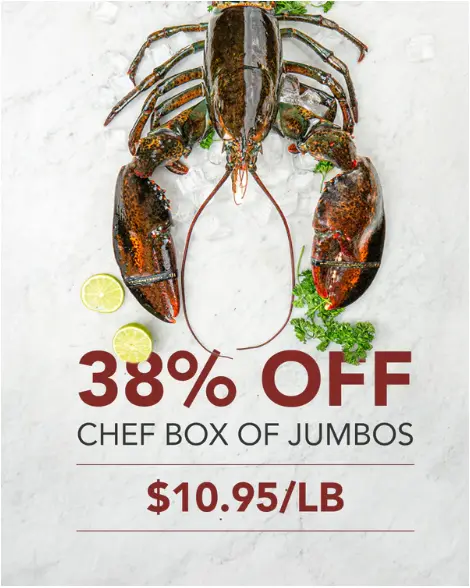
Fresh live lobster is best for whole lobster preparations. Boiling or steaming a live lobster produces the best texture because the meat has never been frozen. Freezing damages cell structure. The meat becomes slightly softer when thawed. For a special occasion where the presentation of a whole lobster matters the extra cost of live is worth it.
Frozen lobster has advantages. It is cheaper. It keeps for months. It does not require you to cook a living creature. The best frozen lobster tails are frozen at sea within hours of being caught. These are significantly better than frozen tails that were stored fresh and then frozen days later. Look for individually quick frozen tails from cold-water sources.
The dishes where frozen works well are dishes where the lobster is combined with other ingredients. Lobster rolls. Pasta. Bisque. Salads. Most people cannot tell the difference between fresh and high-quality frozen in these preparations. The texture difference is masked by the other ingredients.
The worst frozen lobster is the cheap stuff from the supermarket freezer section. Warm-water tails with added phosphates to retain moisture. These produce watery flavorless meat. Spending a few dollars more for cold-water individually frozen tails is the difference between a good meal and a disappointing one.
How Freezing Affects Lobster Texture and Flavor
When lobster is frozen, ice crystals form inside the meat cells. The slower the freezing process, the larger the ice crystals, and the more cell damage occurs. This is why quick freezing at sea produces significantly better results than freezing at home or in a warehouse.
Cell damage from freezing causes moisture loss when the meat thaws. That moisture carries flavor with it. A fresh live lobster retains all its natural juices. A poorly frozen lobster can lose up to 15 percent of its moisture during thawing. That moisture loss translates directly to less flavor and a drier, softer texture.
However, high-quality frozen lobster tails that are individually quick frozen (IQF) minimize this damage. The freezing happens so fast that the ice crystals stay small and the cell structure remains largely intact. These tails can be nearly indistinguishable from fresh when prepared correctly.
The grade of the lobster before freezing matters too. A frozen tail from a cold-water lobster caught off the coast of Maine is fundamentally better than a frozen tail from a warm-water spiny lobster. The cold-water meat is firmer, sweeter, and more flavorful to begin with, so even after freezing, it outperforms any warm-water alternative.
If you are considering buying frozen lobster online, look specifically for cold-water lobster tails from the North Atlantic. The label should say “Homarus americanus” and ideally specify the catch region. These are the only frozen tails worth your money.
When to Buy Fresh Live Lobster
Live lobster is the superior choice in specific situations. Here is when you should pay the premium for live.
Whole boiled or steamed lobster dinners. If the centerpiece of your meal is a whole lobster on a platter, go live. The texture of freshly cooked lobster meat is noticeably firmer and more succulent. The presentation matters too. A whole bright red lobster looks impressive in a way that pre-cooked frozen tails cannot match. For special occasions like birthdays, anniversaries, and holiday dinners, live is the way to go.
Grilled or broiled lobster. High-heat cooking methods amplify the texture difference between fresh and frozen. Fresh lobster meat holds up better to grilling and broiling, staying firm and juicy. Frozen lobster tails can dry out or become mushy when subjected to intense direct heat.
Lobster for dipping in butter. When the lobster is the star and you are eating it with minimal accompaniments, you want the best possible texture and flavor. Fresh live lobster delivers. The natural sweetness of lobster meat that was alive until minutes before cooking is something frozen cannot replicate.
Live lobster pricing. Live lobsters typically cost $10 to $15 per pound for 1.25-pound lobsters, with larger lobsters costing more per pound. When you buy live lobster online from a reputable source, you get lobsters shipped directly from the coast, packed in seaweed and ice packs to arrive alive and active.
When Frozen Lobster Is the Smart Choice
Frozen lobster is not inferior. It is a different product for different uses. In many situations, frozen is the better option.
Lobster rolls. The mayonnaise, celery, lemon juice, and seasonings in a lobster roll mask any texture differences. Chopped lobster meat mixed with dressing tastes nearly identical whether it started fresh or frozen. Since you are chopping and mixing anyway, there is no reason to pay the fresh premium.
Lobster pasta and risotto. When lobster is combined with other ingredients, the texture difference becomes negligible. The sauce, cheese, or cream carries the dish, and the lobster provides flavor and protein. High-quality frozen tails work perfectly here.
Lobster bisque and chowder. These soups use the lobster meat as an ingredient rather than the centerpiece. The long cooking time and blending process mean texture differences disappear entirely. Using frozen lobster in soup saves you money with no sacrifice in quality.
Budget-conscious cooking. Frozen lobster tails from cold-water sources run $6 to $12 per tail depending on size. That is significantly cheaper than live lobster on a per-serving basis. If you are cooking for a family or meal-prepping, frozen stretches your dollar further.
Convenience and storage. Frozen lobster tails keep for up to six months in the freezer. You can pull one out anytime for a quick meal without planning days ahead. Live lobsters must be cooked within 24 to 48 hours of arrival. For spontaneous cooking, frozen is simply more practical.
How to Identify High-Quality Frozen Lobster Tails
Not all frozen lobster is created equal. Here is how to tell the good from the bad.
Check the origin. The label should say “cold water” and preferably “North Atlantic.” Avoid warm-water tails from the Caribbean, Australia, or Florida. These are spiny lobsters, not true Maine lobsters, and the meat is less flavorful.
Look for IQF labeling. “Individually quick frozen” indicates the tails were frozen shortly after being caught. This preserves quality. Avoid tails that are frozen in a block or packaged with added water, which indicates slower processing.
Check for added ingredients. The only ingredient should be lobster. If the label lists sodium tripolyphosphate, salt, or preservatives, the meat has been treated to retain moisture. This is a red flag for low-quality product. Good frozen tails need nothing added.
Examine the shell condition. The shell should be intact and brightly colored. Black spots, cracks, or a dull gray appearance indicate age or freezer burn. Avoid tails with visible ice crystals inside the packaging, which suggests temperature fluctuations during storage.
Match the size to the dish. For pasta and salads, 4-ounce to 6-ounce tails are sufficient. For main course presentations, go with 8-ounce to 10-ounce tails. The larger the tail, the higher the cost per ounce, but the more impressive the presentation.
Price Comparison: How Much You Save with Frozen
Let us compare the actual costs so you can make an informed decision.
Live lobster, whole: A 1.25-pound live lobster costs roughly $13 to $18. This gives you approximately 4 to 5 ounces of cooked meat per lobster. The cost per ounce of meat is roughly $3.25 to $4.50.
Frozen cold-water tails: A 6-ounce frozen lobster tail costs $8 to $12. Since the tail meat is nearly 100 percent yield (minus the vein), you get about 5.5 ounces of usable meat per tail. The cost per ounce is roughly $1.45 to $2.20.
Frozen warm-water tails: A 6-ounce warm-water tail costs $4 to $7. However, the meat is significantly lower quality and often treated with phosphates that cause it to shrink during cooking. The effective yield is lower, and the flavor is inferior.
The verdict: High-quality frozen cold-water tails are roughly half the cost of live lobster per ounce of meat. For dishes where texture is not critical, that savings is pure profit. For whole lobster presentations, live is worth the premium.
If you want to split the difference, use live lobster for the main course and frozen tails for soups, salads, and sides. This approach gives you the best of both worlds while keeping your budget under control.
How to Thaw Frozen Lobster Properly
How you thaw frozen lobster tails matters as much as the quality of the tail itself. Improper thawing ruins even the best product.
Refrigerator thawing (best method). Place frozen tails in a covered dish in the refrigerator for 12 to 24 hours. This slow thaw minimizes moisture loss and produces the best texture. Plan ahead and move tails from freezer to fridge the morning before you cook.
Cold water thawing (faster method). Place tails in a sealed plastic bag and submerge in cold tap water. Change the water every 30 minutes. Smaller tails (4 to 6 ounces) thaw in about 30 to 45 minutes. Larger tails (8 to 10 ounces) take 45 to 60 minutes. Do not use warm or hot water, which cooks the outer meat while the center stays frozen.
Microwave thawing (avoid this). Never thaw lobster tails in the microwave. The uneven heating partially cooks the meat and creates a rubbery texture. If you are in a hurry, use the cold water method instead.
Once thawed, cook the tails immediately. Do not refreeze thawed lobster tails. The second freeze-thaw cycle destroys the texture completely and creates a mushy, watery result.
For the best results when cooking, butterfly the tail by cutting through the top of the shell with kitchen shears, then brush with melted butter and broil for 8 to 10 minutes. The meat should be opaque and reach an internal temperature of 140°F. Serve with drawn butter and lemon wedges, and pair with your choice of wine or beer using our pairing guide.
Final Decision: Which Should You Buy?
The honest answer depends on what you are cooking. Here is the bottom line.
Buy live lobster if you are serving whole boiled or steamed lobster as a main course, grilling or broiling lobster halves, or cooking for a special occasion where presentation matters. The extra cost is justified by the superior texture and the experience of cooking live lobster.
Buy high-quality frozen cold-water tails if you are making lobster rolls, pasta, risotto, bisque, chowder, or salads. You save roughly 50 percent on the cost per serving with no noticeable quality difference in mixed dishes. Look for IQF tails from the North Atlantic with no added ingredients.
Avoid cheap frozen warm-water tails. They are not a bargain. Paying $5 for a watery, flavorless tail is worse than spending $12 for one that delivers. If you cannot find cold-water IQF tails, skip frozen entirely and go live.
Whichever you choose, the key is knowing the difference and buying accordingly. For your next lobster dinner, buy live lobster online from Buylobster.org and get fresh, live lobsters delivered overnight. We also offer premium cold-water frozen tails for customers who want the convenience of frozen without sacrificing quality.
Leave a Reply