The lobster roll is a simple sandwich that became an icon. Chopped lobster meat in a bun. That is it. But the simplicity hides a fierce debate about how it should be made. Maine style or Connecticut style. Cold with mayo or warm with butter. The argument will never be settled and that is part of the fun. The best lobster roll is the one you make the way you like it — and this guide will show you how to make lobster roll both ways so you can decide for yourself.
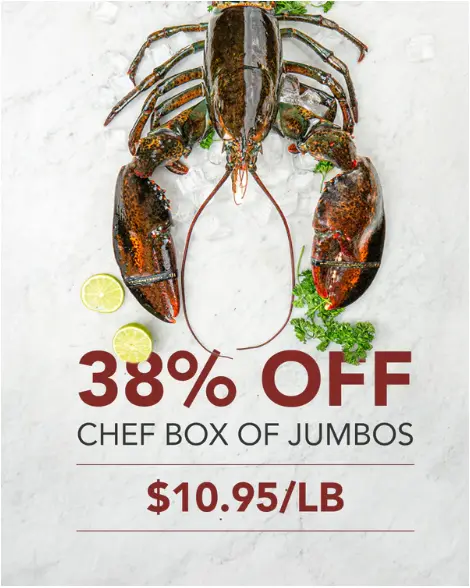
Quality lobster meat is non-negotiable. Frozen pre-cooked meat from the supermarket will produce a disappointing roll. Start with fresh cooked lobster meat and you are already most of the way there. When you know how to cook lobster properly, the meat stays tender, sweet, and succulent — exactly what a great lobster roll demands.
A Brief History of the Lobster Roll
The lobster roll traces its roots to New England in the early 20th century. The earliest known mention appears in a 1929 menu from a restaurant in Milford, Connecticut, which served a “lobster roll” — warm lobster meat in a toasted bun with butter. This is the ancestor of what we now call the Connecticut-style roll.
The Maine-style version, with cold lobster meat and mayonnaise, emerged later. It gained popularity in the 1960s and 1970s as roadside seafood shacks along the Maine coast began serving them to tourists. The split-top hot dog bun, with its flat sides that toast perfectly in butter, became the standard vessel.
Today, the lobster roll has transcended its New England roots. You can find versions in London, Tokyo, and Sydney. High-end restaurants serve deconstructed lobster rolls on brioche, while food trucks keep it classic with split-top buns and paper wrappers. But the heart of the sandwich remains the same: fresh lobster, treated simply and served with respect for the ingredient.
Maine Style Lobster Roll Recipe (Cold)
The Maine-style lobster roll is the most iconic version. Cold lobster meat, lightly dressed with mayonnaise, served in a toasted buttered bun. It is simple, clean, and lets the lobster flavor take center stage.
Ingredients (makes 4 rolls):
- 1 pound cooked lobster meat (from about 4 one-pound lobsters), chopped into bite-sized pieces
- 3 tablespoons high-quality mayonnaise (Hellmann’s or Duke’s preferred)
- 1 tablespoon fresh lemon juice
- 1 tablespoon finely chopped celery (optional, for crunch)
- 1 teaspoon celery salt or Old Bay seasoning
- Freshly ground black pepper to taste
- 4 New England-style split-top hot dog buns
- 2 tablespoons unsalted butter, softened
- Lettuce leaves, for serving (optional)
Instructions:
- Cook your lobsters using the boiling or steaming method, then remove all the meat from the shells. Chop into bite-sized chunks, aiming for pieces about 1/2 inch across.
- In a mixing bowl, gently combine the lobster meat, mayonnaise, lemon juice, celery (if using), celery salt, and pepper. Do not overmix — you want the meat to stay in distinct chunks, not turn into mush.
- Cover and refrigerate for 15 to 30 minutes to let the flavors meld. Do not chill for more than an hour, as the meat can become watery.
- Butter the outside of each bun generously. Toast in a skillet over medium heat until golden brown on both sides, about 2 minutes per side.
- Place a lettuce leaf in each bun (if using), then pile the lobster mixture generously into the bun. Serve immediately with potato chips, coleslaw, or a pickle spear.
Pro tips: Use claw and knuckle meat in the mix — it is sweeter than tail meat. Reserve the tail pieces for the top of the sandwich where they look most impressive. Do not overdress the lobster; you want enough mayo to coat, not drown, check out our guide on lobster recipes..
Connecticut Style Lobster Roll Recipe (Warm)
The Connecticut-style lobster roll is the original. Warm lobster meat is gently heated in clarified butter and served in a toasted bun with nothing else. No mayo, no celery, no lettuce. Just lobster and butter. It is richer, more decadent, and lets the pure lobster flavor shine without any competition.
Ingredients (makes 4 rolls):
- 1 pound cooked lobster meat, chopped into bite-sized pieces
- 4 tablespoons unsalted butter, clarified (or regular butter, melted)
- Pinch of sea salt
- 4 New England-style split-top hot dog buns
- 2 tablespoons unsalted butter, softened (for toasting buns)
Instructions:
- Gently warm the lobster meat by placing it in a saucepan with 4 tablespoons of clarified butter over low heat. Warm for 3 to 4 minutes, stirring occasionally. Do not let it simmer or boil — you just want it warm, not cooked further.
- Season with a pinch of sea salt.
- Butter the buns and toast in a skillet until golden brown.
- Spoon the warm lobster meat directly into the toasted buns. Drizzle any remaining butter from the pan over the top.
- Serve immediately. No lettuce, no other garnishes. The Connecticut style is pure lobster and butter.
Pro tips: Clarify your butter by melting it slowly and skimming off the white milk solids. This prevents the butter from burning and gives a cleaner flavor. For extra richness, add a splash of the cooking liquid from the lobster pot to the butter.
The Perfect Bun: Why Split-Top Matters
The bun matters more than most people think. A proper New England split-top bun has flat sides that toast evenly in butter. The sides should be golden and crispy. The inside should stay soft. The contrast between the crispy buttered exterior and the tender lobster inside is what makes a lobster roll a lobster roll and not just a seafood sandwich.
If you cannot find split-top buns, you can substitute standard hot dog buns, but the texture difference is noticeable. Standard buns have rounded sides that do not toast as evenly. To approximate the split-top experience, trim the rounded edges slightly before toasting. Alternatively, use brioche rolls for a richer, more upscale version.
Toasting technique matters too. Use unsalted butter at room temperature, spread it generously on the outside of the bun, and toast in a cast-iron skillet or on a flat-top griddle. Press gently with a spatula to ensure even browning. The butter should sizzle but not smoke.
Choosing the Best Lobster Meat for Rolls
The quality of your lobster meat determines the quality of your roll. Here is what to look for.
Fresh-cooked whole lobsters are the gold standard. When you cook whole lobsters yourself, the meat is sweet, tender, and retains its natural moisture. Use a mix of tail, claw, and knuckle meat for the best texture and flavor. Tail meat is firm and impressive. Claw and knuckle meat is sweeter and more tender.
Fresh-picked lobster meat from a seafood market is a good alternative if you do not want to cook whole lobsters. Make sure it is freshly picked, not frozen. Ask when it was picked and smell it — it should smell clean and sweet, not fishy or sour.
frozen lobster meat should be a last resort. The freezing and thawing process degrades the texture, making it watery and less flavorful. If you must use frozen, thaw it in the refrigerator overnight and pat it dry before using. Squeeze gently to remove excess moisture, check out our guide on buy lobster meat..
When you buy fresh lobster from a reputable source, you can be confident the meat will be at its best. For a lobster roll, hard-shell lobsters are preferred because they yield firmer, sweeter meat with a better meat-to-shell ratio.
Lobster Roll Variations Worth Trying
Once you have mastered the two classics, here are some variations that put a creative spin on the original.
New England lobster salad roll: Add finely diced celery, a squeeze of lemon, fresh dill or tarragon, and a pinch of Old Bay. This version has more texture and herbaceous brightness. Serve on toasted brioche for an elevated experience.
Spicy lobster roll: Mix the lobster meat with a combination of mayonnaise and sriracha or gochujang. Add finely sliced scallions and a sprinkle of sesame seeds. The heat cuts through the richness and pairs surprisingly well with sweet lobster meat.
Lobster BLT roll: Add crispy bacon, lettuce, and tomato to a Connecticut-style warm butter roll. The smoky saltiness of the bacon complements the sweet lobster beautifully. This is a popular variation at upscale seafood restaurants.
Avocado lobster roll: Replace the mayonnaise with mashed ripe avocado. Add a squeeze of lime, a pinch of cumin, and a sprinkle of chili flakes. This version is lighter, fresher, and dairy-free.
Grilled lobster roll: Instead of boiling or steaming the lobster, grill it. Split the lobster in half, brush with garlic butter, and grill until lightly charred. Remove the meat, chop it, and serve Connecticut-style. The smoky flavor adds a whole new dimension.
How to Serve Lobster Rolls: Side Dishes and Presentation
A lobster roll is a meal on its own, but the right sides turn it into a feast.
- Potato chips: The classic pairing. Thin, crispy, salty chips provide the perfect textural contrast. Kettle-cooked chips are ideal.
- Coleslaw: A tangy, vinegar-based slaw cuts through the richness of the lobster and butter. Avoid creamy coleslaw — it competes with the mayo in Maine-style rolls.
- Pickle spears: Dill pickles add acidity and crunch that refresh the palate between bites.
- Fresh corn on the cob: Grilled or boiled corn slathered in butter is a natural companion. It is the same sweet-savory flavor profile as the lobster.
- French fries: Thin, crispy fries are always welcome. Sprinkle with Old Bay seasoning for a New England touch.
For drinks, a crisp lager or pilsner beer is the traditional choice. Unoaked Chardonnay or Sauvignon Blanc works well with the rich lobster. Lemonade or iced tea are excellent non-alcoholic options.
Frequently Asked Questions
What is the difference between Maine and Connecticut lobster rolls? Maine-style uses cold lobster meat tossed with mayonnaise and served cold. Connecticut-style uses warm lobster meat heated in butter and served warm. Both are delicious and fiercely defended by their fans.
How much lobster meat is in a roll? A standard lobster roll uses about 4 ounces of cooked lobster meat — the yield from one 1.25-pound lobster. For a generous restaurant-style roll, use 5 to 6 ounces.
Can I make lobster rolls ahead of time? You can prepare the lobster mixture up to 4 hours ahead and refrigerate it, but wait to toast the buns and assemble until just before serving. The buns lose their crispness quickly once filled.
What is the best mayonnaise for lobster rolls? Hellmann’s (Best Foods west of the Rockies) and Duke’s are the top choices among lobster roll purists. Avoid low-fat or flavored mayonnaises.
Are lobster rolls gluten-free? Not traditionally, since the bun contains gluten. However, you can serve the lobster mixture on a gluten-free roll, lettuce wrap, or simply on its own as a lobster salad.
What is the best way to reheat leftover lobster meat? Gently warm it in a pan with a little butter over low heat. Do not microwave it — that will make it tough and rubbery. Cold leftover lobster meat also makes excellent lobster salad the next day.
Leave a Reply