Lobster gnocchi is one of those restaurant dishes that looks impossible to pull off at home. A creamy sauce, tender dumplings, chunks of sweet lobster meat—it reads like something that requires a French culinary degree and a kitchen full of equipment you do not own. The truth is simpler. With good ingredients and a little patience, this dish is entirely achievable on a weeknight. The key is getting the lobster right, and that starts with the where to buy lobster guide—because frozen, pre-cooked meat from a grocery aisle will never give you the texture you need.
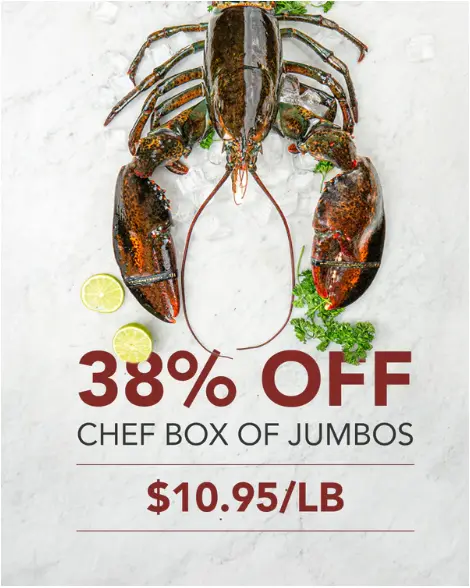
This recipe uses fresh lobster tails (two 6-ounce tails serves two people generously), store-bought gnocchi to save time, and a sauce built from the shells. It takes about 45 minutes start to finish and tastes like something you would pay $30 for at a nice restaurant.
What You Need
For the lobster: two 6-ounce lobster tails, fresh or thawed. If you are using a whole lobster, a 1.25-pound live lobster will give you roughly the same amount of meat. For the gnocchi: one 16-ounce package of shelf-stable or refrigerated potato gnocchi. Do not use the frozen kind—they turn gummy. For the sauce: 3 tablespoons unsalted butter, 2 shallots (finely diced), 2 cloves garlic (minced), 1/2 cup dry white wine (something you would drink, like a Sauvignon Blanc), 1 cup heavy cream, 1/2 cup low-sodium chicken stock, 1 tablespoon tomato paste, 1/4 cup grated Parmesan, salt, white pepper, and a handful of fresh chives for finishing.
Optional but recommended: a splash of brandy or cognac for deglazing, and a pinch of cayenne for heat.
Step 1: Cook and Extract the Lobster Meat
Bring a pot of salted water to a rolling boil. Drop the lobster tails in and cook for exactly 4 minutes for 6-ounce tails, 5 minutes if they are closer to 8 ounces. Transfer them to an ice bath immediately to stop the cooking. Once they are cool enough to handle, use kitchen shears to cut through the underside shell and pull the meat out in one piece. Reserve the shells. Cut the meat into bite-sized chunks and set aside.
The ice bath is not optional. Lobster tail meat continues cooking from residual heat even after you pull it from the water, and overcooked lobster turns rubbery in seconds. The ice bath stops that process at exactly the right moment, keeping the meat tender.
Step 2: Build the Sauce
This is where the flavor happens. In a large skillet, melt 2 tablespoons of butter over medium heat. Add the reserved lobster shells and cook them for 3 to 4 minutes, pressing down with a spatula to release the roasty, briny flavor trapped in the shells. The kitchen will start smelling like a restaurant kitchen at this point. Add the shallots and cook until translucent, about 2 minutes, then add the garlic for another 30 seconds.
Deglaze the pan with the white wine (or brandy, if using), scraping up any browned bits from the bottom. Let the wine reduce by half, about 2 minutes. Stir in the tomato paste and cook for another minute. Add the chicken stock and heavy cream, bring to a gentle simmer, and let it cook for 5 to 7 minutes, stirring occasionally, until the sauce thickens enough to coat the back of a spoon.
Remove the lobster shells with tongs and discard them. Stir in the Parmesan until melted and smooth. Season with salt and white pepper. White pepper matters here—black pepper leaves dark specks in a cream sauce that makes it look speckled. Cayenne goes in now if you are using it.
Step 3: Cook the Gnocchi
Bring another pot of salted water to a boil. Drop the gnocchi in and cook according to the package directions—usually 2 to 3 minutes for shelf-stable gnocchi, or until they float to the surface. Fresh gnocchi cooks even faster, about 90 seconds. Drain them well but do not rinse. The starch on the surface helps the sauce cling.
In a separate small pan, melt the remaining 1 tablespoon of butter over medium-high heat. Add the cooked gnocchi and let them brown on one side for about 90 seconds without moving them. Toss and repeat. This step gives the gnocchi a crispy exterior that holds up better in the sauce.
Step 4: Combine and Serve
Add the browned gnocchi to the sauce and toss gently to coat. Fold in the reserved lobster meat, being careful not to break up the chunks—the lobster was already cooked and only needs to warm through, about 60 seconds on low heat. If the sauce is too thick, loosen it with a splash of pasta water or extra stock.
Plate immediately in shallow bowls. Finish with a sprinkle of fresh chives and an extra dusting of Parmesan. Serve with a crusty baguette to soak up the sauce that the gnocchi will not catch. That sauce is too good to leave on the plate.
What to Drink With Lobster Gnocchi
A white Burgundy is the classic pairing—Chardonnay handles the cream and the lobster equally well. If you are keeping it under $20, look for a California Chardonnay with moderate oak, like a Sonoma-Cutrer or La Crema. For white wine skeptics, a light Pinot Noir works, especially if you added the cayenne. The fruit cuts the richness without overpowering the lobster.
For beer drinkers, a witbier or Belgian blonde ale bridges the gap between the cream and the seafood. The carbonation cuts through the richness in a way that wine sometimes cannot.
Why This Recipe Works
The shell-in-sauce technique is the difference between a good lobster dish and a great one. Most home cooks throw the shells away, but that is where the concentrated flavor lives. Simmering the shells in cream extracts compounds that cannot be replicated by adding more salt or butter. It is the same principle behind making stock from bones—the flavor is in the parts you normally discard.
Store-bought gnocchi is the time-saver that makes this recipe practical for a Tuesday night. Making gnocchi from scratch is a satisfying project, but it turns a 45-minute dinner into a two-hour ordeal. The shelf-stable stuff, pan-fried before going into the sauce, delivers 90 percent of the experience with none of the labor.
And if you are using frozen, pre-cooked lobster meat from a sealed pouch, stop. The texture difference is extreme. Cooked-once lobster that has been frozen and thawed loses the snap that makes fresh lobster special. You can buy fresh lobster delivered overnight, cook it yourself, and taste the difference. The two extra minutes of effort per tail changes the entire dish.
Leave a Reply