Lobster Congee — The Ultimate Comfort Bowl
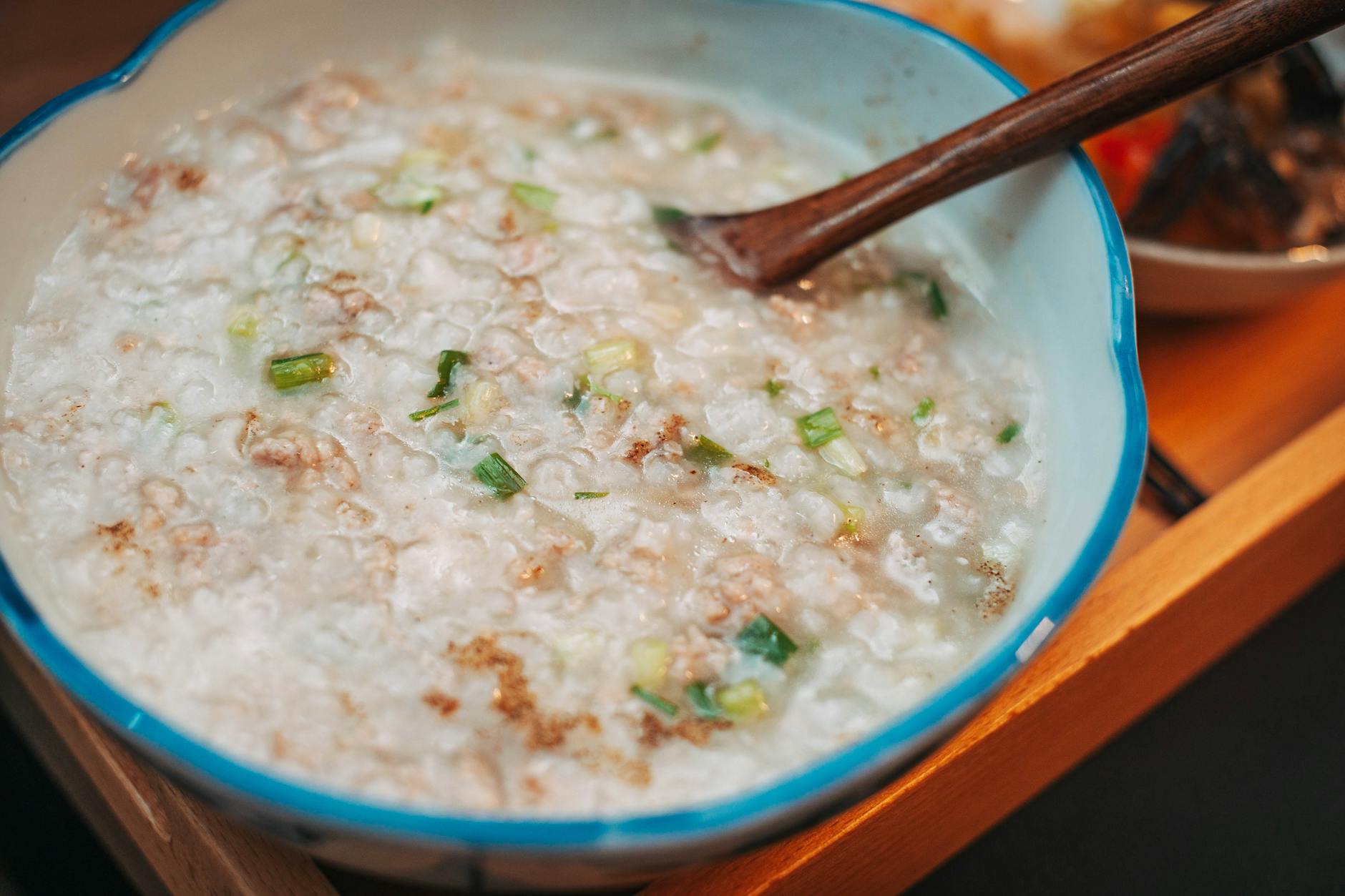
Congee — rice porridge cooked low and slow until it breaks down into a silky, almost pudding-like consistency — is the original comfort food across much of Asia. It’s what you eat when you’re sick, when it’s cold, when you need something that feels like a warm hug in a bowl. Adding lobster to congee might sound luxurious, and it is, but the combination makes perfect sense: the sweet, briny lobster cuts through the neutral, soothing rice porridge, while ginger and scallions add bright, aromatic notes. This lobster congee recipe is my take on a classic Cantonese comfort dish, elevated with fresh lobster without losing any of the soul-warming simplicity that makes congee so beloved.
Ingredients for Lobster Congee
This recipe serves 4 as a main. Congee is forgiving — you can adjust the rice-to-water ratio depending on how thick you like it.
- 1 cup jasmine rice (short-grain rice works too)
- 8 cups chicken or seafood stock (or water, but stock gives more flavour)
- 2 lobster tails, meat removed and sliced into medallions
- 2 lobster claws, meat removed and roughly chopped
- 1 large piece fresh ginger (about 2 inches), julienned
- 4 green onions, thinly sliced (white and green parts separated)
- 1 tablespoon vegetable oil
- 1 tablespoon sesame oil (for finishing)
- 1 teaspoon sea salt (adjust to taste)
- 1/2 teaspoon white pepper
- Optional: 1 century egg (pidan), peeled and diced
- Optional toppings: crispy fried shallots, chopped cilantro, additional ginger
Why Lobster Belongs in Congee
Congee is traditionally made with whatever protein is available — chicken, pork, fish. But lobster brings something special that other proteins can’t. The natural sweetness of lobster meat infuses the entire pot of congee as it simmers, so every spoonful carries that delicate lobster flavour, not just the chunks of meat you happen to get in your bowl. The texture contrast is also key — the congee is soft and creamy, while the lobster pieces provide little pops of firm, sweet meat. And the ginger? It’s not optional. Ginger and lobster are a classic pairing in Cantonese cuisine — the ginger’s warmth and slight pepperiness cuts through the richness of the lobster and keeps the dish from feeling heavy.
The Technique — Slow Simmer, Then Finish with Lobster
Rinse the rice under cold water until the water runs clear. This removes excess starch and prevents the congee from becoming gluey. In a large heavy pot, combine the rinsed rice and stock. Bring to a boil over high heat, then reduce to a gentle simmer. Partially cover and cook for 45 minutes to 1 hour, stirring every 10 minutes to prevent sticking. The congee is ready when the rice grains have completely broken down and the porridge has a thick, creamy consistency. Some people like their congee thin enough to drink from a bowl; others prefer it thick enough to eat with chopsticks. Add more stock or water during cooking if it gets too thick. While the congee simmers, heat the vegetable oil in a small pan and briefly sear the lobster pieces for 1 to 2 minutes per side — just enough to add colour and flavour without fully cooking them through, since they’ll finish cooking in the hot congee.
Adding the Lobster and Finishing the Dish
Once the congee reaches your desired consistency, stir in the julienned ginger and the white parts of the green onions. Cook for 2 minutes to infuse the flavours. Gently fold in the seared lobster pieces and the diced century egg (if using). Cook for just 2 to 3 more minutes — the residual heat of the congee will gently finish cooking the lobster without making it tough. Remove from heat and stir in the sesame oil and white pepper. Taste and adjust salt. Ladle the congee into deep bowls. Top with the green parts of the scallions, any additional toppings you like, and a drizzle of extra sesame oil. Serve immediately, while the congee is still steaming hot.
My Opinion on Century Egg in Lobster Congee
I know century egg (pidan) is polarising. It’s a preserved egg with a creamy, dark green yolk and a pungent, cheese-like flavour. Some people love it; some find it off-putting. I fall firmly in the love camp, and I think it’s a fantastic addition to lobster congee. The funky, umami-rich flavour of the century egg creates a contrast with the sweet lobster that makes the whole bowl more interesting. That said, if you’re serving this to guests or making it for the first time, feel free to leave it out. The congee is excellent without it — the ginger, scallions, and lobster are more than enough to carry the dish. But if you’re adventurous, try adding a small amount. It might not look pretty, but it tastes incredible.
Toppings and Variations
Congee is a blank canvas, and toppings are where you make it your own. Crispy fried shallots add a fantastic crunch. A drizzle of soy sauce or oyster sauce adds depth. Fresh cilantro brings brightness. A squeeze of lime is unusual in traditional congee but works surprisingly well with lobster. Some people like to add a soft-boiled egg on top, letting the yolk run into the porridge. For a Sichuan-inspired twist, add a spoonful of chili crisp — the heat and crunch are amazing against the creamy congee and sweet lobster. If you’re new to cooking with lobster and want a simpler starting point, our lobster for beginners guide covers the basics of buying, prepping, and cooking lobster with confidence.
Why Slow Cooking Matters for Congee
I know it’s tempting to rush the congee, especially when you’re hungry and the kitchen smells amazing. But the difference between a 30-minute congee and a 60-minute congee is significant. The longer simmer time allows the rice grains to break down completely, releasing their starch into the liquid and creating that signature silky, almost velvety texture that makes congee so comforting. If you only cook it until the rice is tender but still intact, you’ll end up with something closer to rice soup — which is fine, but it’s not congee. The stirring also matters: giving the pot a good stir every 10 minutes helps break down the rice and prevents it from sticking to the bottom. Some cooks add a drizzle of oil at the beginning to keep the grains separate as they cook. I find this helps, especially if you’re using an older batch of rice that’s drier. Patience is the only real secret to great congee. If you enjoy this style of cooking and want to explore more recipes from across Asia, I recommend picking up a good Asian cookbook to expand your repertoire — it’s one of the best investments you can make for your kitchen.
We earn a commission if you purchase through our links, at no extra cost to you.
Final Thoughts — A Bowl of Comfort You’ll Crave
Lobster congee isn’t a show-off dish. It’s not the one you make to impress dinner guests (though they will be impressed). It’s the one you make for yourself on a quiet Sunday, when you want something warm, nourishing, and deeply satisfying. The process is slow and meditative — stirring the pot, watching the rice break down, adding the ginger and lobster at just the right moment. And the result is a bowl of pure comfort that costs a fraction of what you’d pay in a restaurant. I honestly think congee is one of the best things you can do with leftover lobster meat, or an excuse to buy fresh lobster just for this purpose. Give it a try, and don’t skip the ginger — it makes the dish. For more lobster recipes and inspiration, browse our full collection and find your next favourite dish.
Leave a Reply