Can You Eat Lobster Raw? The Risks, the Reality, and When It’s (Maybe) Safe
The question comes up more often than you might expect. Raw fish is everywhere — sushi, sashimi, crudo, ceviche — and oysters on the half shell are a beloved delicacy. So why not raw lobster? The short answer is that yes, you can technically eat lobster raw, and in certain parts of the world, people do. But there are significant risks that make it a bad idea for most people, and even experienced seafood enthusiasts should approach raw lobster with extreme caution. This guide covers the safety concerns, the cultural contexts where raw lobster is eaten, and what you need to know before considering it.

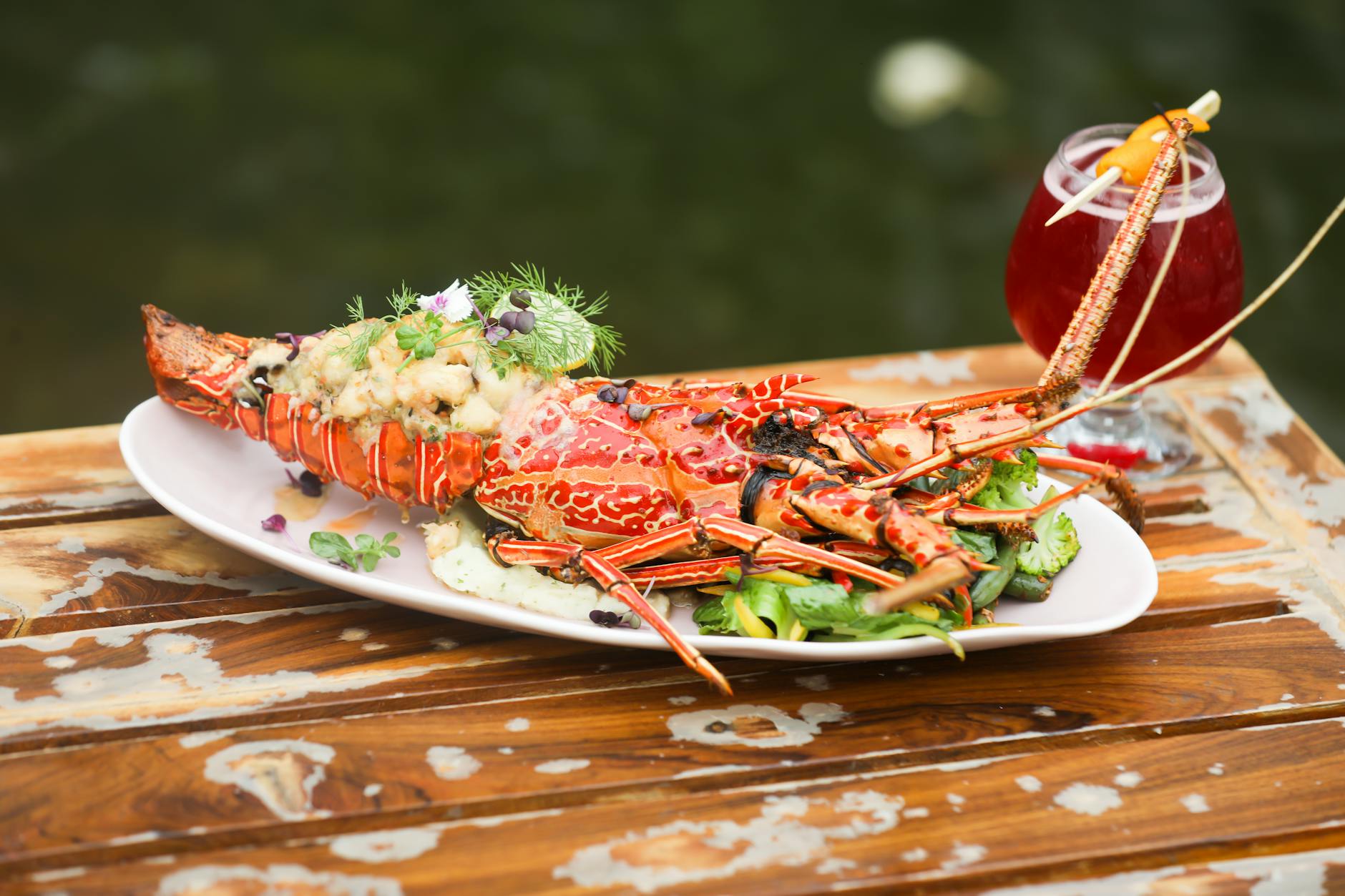
Is It Safe to Eat Raw Lobster?
For most people, most of the time, the answer is no — eating raw lobster carries real food safety risks that make it inadvisable. Unlike tuna or salmon, which are routinely eaten raw and are generally safe when sourced properly, lobster presents specific challenges:
Vibrio bacteria: Lobsters, like all shellfish, can carry Vibrio parahaemolyticus and Vibrio vulnificus — bacteria that naturally occur in marine environments. Vibrio infections cause symptoms ranging from mild diarrhea and abdominal cramps to severe bloodstream infections in people with compromised immune systems. Vibrio vulnificus is particularly dangerous and can be fatal, especially in people with liver disease or weakened immune systems. These bacteria are killed by thorough cooking, but they survive in raw lobster.
Parasites: Lobster can carry parasitic organisms, though this is less common in cold-water lobsters from the North Atlantic. Warm-water spiny lobsters carry a higher parasite risk. Even if the risk is low, the consequences of a parasitic infection are severe enough that the gamble isn’t worth it for most people.
Bacterial contamination post-harvest: Lobster that’s been sitting on ice for days or improperly handled introduces additional contamination risk from common pathogens like Salmonella and Listeria. Even fresh-caught lobster has bacteria on its shell and in its digestive tract that can transfer to the meat when you cut into it raw.
My strong opinion: I don’t eat raw lobster, and I don’t recommend it to anyone who asks. I’ve handled thousands of lobsters in my kitchen, and I know what lives on and inside them. The risk-to-reward ratio is terrible. Raw lobster doesn’t taste dramatically different from cooked — the sweetness actually comes out more with gentle cooking — so you’re taking a real health risk for a marginal flavor difference. It’s just not worth it.
Do People Actually Eat Raw Lobster?
Yes, but it’s rare and geographically specific:
Japan (Lobster Sashimi — Ise-ebi): In Japan, spiny lobster (Ise-ebi) is sometimes served as sashimi. The lobster is killed immediately before serving, the tail meat is sliced thin, and it’s presented raw on a plate with the still-moving legs and antennae arranged around it. This is done in high-end sushi restaurants with exceptionally fresh, live lobster from trusted sources. The risk is still present, but the handling standards minimize it.
New England (certain fishing communities): In some coastal Maine communities, fishermen have been known to eat raw lobster meat directly from the shell while on the boat — a practice called “lobster sashimi” by locals, though it bears little resemblance to the Japanese preparation. The lobster is minutes out of the water, alive, and cleaned immediately. This is about as low-risk as raw lobster gets, but it’s not something you can replicate with store-bought lobster.
Ceviche preparations (Caribbean and Latin America): Some Caribbean ceviche recipes use raw lobster “cooked” in citrus acid. However, ceviche does not actually kill bacteria or parasites — acid denatures proteins but does not sterilize the meat. Ceviche made with raw lobster carries the same risks as eating it completely raw.
In all of these cases, the lobster is alive immediately before preparation, handled with extreme care, and consumed within minutes. Even then, the risk isn’t zero. If you’re ordering raw lobster at a restaurant, ask how fresh the lobster is, where it was sourced, and how it was handled. If the server hesitates on any of these questions, order it cooked.
What Does Raw Lobster Taste Like?
For those curious about the flavor, raw lobster meat has a very different profile from cooked. It’s translucent, soft, and almost jelly-like in texture — think raw shrimp that’s been peeled, but softer. The flavor is intensely briny and sweet, with a clean finish. There’s no rubbery chew; instead, the meat has a delicate, almost melting quality.
The tomalley (the green digestive gland) is sometimes eaten raw by lobster enthusiasts, but this is even riskier than eating the muscle meat because the tomalley acts as a filter, concentrating any toxins or bacteria present in the lobster’s environment.
Here’s the thing: boiling or steaming lobster for 10-12 minutes preserves the sweetness while adding a tender, flaky texture. The flavor difference between raw and gently cooked lobster is subtle — much less dramatic than the difference between raw and cooked beef. You’re not missing a transcendent experience by cooking your lobster. If you want to taste lobster at its purest, steam it and eat it with nothing but a squeeze of lemon. That’s close enough to the raw experience without the risk.
Raw Lobster vs. Cooked: A Safety Comparison
Let’s put the numbers in perspective. The CDC estimates that about 80,000 cases of Vibrio infection occur in the United States each year, and about 100 of those are fatal. Most are associated with eating raw or undercooked shellfish. While oysters are the primary culprit, any raw shellfish — including lobster — carries this risk.
Cooked lobster, by contrast, is one of the safest proteins you can eat. The FDA recommends cooking lobster to an internal temperature of 145°F, which kills Vibrio, Salmonella, Listeria, and practically any other pathogen. The only risks with cooked lobster are cross-contamination after cooking (putting cooked meat on a surface that touched raw meat) or eating lobster that has been left at room temperature too long.
If you’re considering raw lobster because you’ve heard it’s healthier — some raw food advocates make this claim — the science doesn’t support it. Cooking does reduce some heat-sensitive vitamins (like some B vitamins), but lobster is not a significant source of those anyway. The protein, minerals, and omega-3s survive cooking without significant loss. You gain nothing nutritionally from eating it raw, and you lose safety.
If You Absolutely Must Try Raw Lobster: Safety Guidelines
If you’re determined to try raw lobster despite the risks, here is how to minimize the danger. I want to be clear: I don’t recommend this, and you should only proceed if you fully understand the risks. Before taking any chances, it helps to understand how much lobster is safe to eat per person — a principle that applies doubly when you’re eating it raw.
- Use only live lobster. Never use lobster that has been dead for any length of time — bacteria multiply rapidly after death. The lobster should be alive immediately before preparation.
- Source from cold, pristine waters. Maine lobster from well-managed fisheries in the North Atlantic is the lowest-risk option. Avoid warm-water spiny lobsters for raw consumption.
- Keep everything ice-cold. From the moment the lobster is killed, keep the meat at or below 38°F. Use crushed ice and work quickly.
- Clean thoroughly. Remove all viscera, the tomalley, and the intestinal vein. Rinse the meat in cold, clean water.
- Serve immediately. Raw lobster should be eaten within minutes of preparation, not stored for later.
- Know your health status. If you have any condition that compromises your immune system — pregnancy, liver disease, diabetes, HIV, cancer treatment, or advanced age — do not eat raw lobster. Period.
If you’re looking to experiment with lobster in different ways but want to stay safe, our comprehensive lobster FAQ covers dozens of preparation methods that deliver incredible flavor without the risks of raw consumption. There are plenty of ways to enjoy lobster that are both delicious and safe.
What About Lobster Roe and Tomalley?
Lobster roe (the red eggs found in female lobsters) and tomalley (the greenish digestive gland) are sometimes eaten raw by enthusiasts. I advise against this even more strongly than eating raw tail or claw meat. The tomalley acts as a filter for the lobster’s environment and can accumulate toxins, heavy metals, and bacteria at higher concentrations than the muscle meat. The roe is less risky but still not recommended raw.
My honest recommendation: Cook the tomalley and roe if you want to eat them. Stir them into a sauce, add them to a bisque, or spread them on toast after cooking. The flavor is still intense and delicious, but the heat eliminates the pathogens that would otherwise be concentrated in these organs.
Final Takeaway: Cook Your Lobster — The Risk Isn’t Worth It
Yes, you can technically eat lobster raw, and yes, people in some cultures do. But for the vast majority of people, raw lobster carries unnecessary and serious health risks from Vibrio bacteria and parasites. The flavor difference between raw and gently cooked lobster is minimal, and cooked lobster is one of the safest, most nutritious proteins available. If you’re curious about lobster’s pure flavor, steam it simply and eat it with lemon — you’ll get the briny sweetness without any of the danger. Buy your lobster from a reputable source, cook it thoroughly, and enjoy it the way it’s been enjoyed for centuries — hot, tender, and safe.
Leave a Reply