Lobster on a Keto Diet: The Complete Guide to Going Low-Carb with Lobster
If you’re on a ketogenic diet, you know the struggle. You’re constantly scanning menus and ingredient lists for hidden carbs. Everything comes with a side of rice, potatoes, or bread. Even things that seem safe — salad dressings, sauces, marinades — can be loaded with sugar and starches that blow your macros for the day.
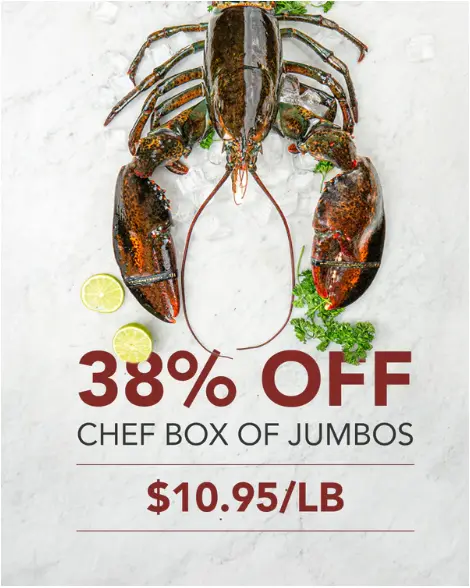
And then there’s lobster. The humble lobster, beloved for its sweet, tender meat, happens to be one of the most keto-friendly proteins on the planet. It has zero carbohydrates, virtually no fat, and a protein density that puts most other meats to shame. It’s almost like the lobster was designed for a low-carb lifestyle — 100 million years before anyone invented the keto diet.
By the end of this guide, you’ll know exactly how lobster fits into your macros, how to prepare it in keto-friendly ways, which sides and sauces to avoid, and how to turn this special-occasion food into a regular part of your low-carb meal rotation.
Lobster Macros: The Keto-Friendly Numbers
Let’s start with what matters most to anyone on keto — the macronutrient breakdown. All numbers are for 100 grams (about 3.5 ounces) of cooked lobster meat, from the USDA FoodData Central database:
- Calories: 98
- Protein: 26 grams
- Fat: 0.9 grams
- Carbohydrates: 0 grams
- Fiber: 0 grams
- Net Carbs: 0 grams
Yes, you read that right. Zero carbohydrates. Lobster meat contains no sugar, no starch, no fiber — nothing that would register on your carb count. A standard 6-ounce (170g) serving of lobster gives you about 44 grams of protein, 1.5 grams of fat, and zero carbs. That’s essentially a perfect keto protein source.
Compare that to a chicken thigh (0 carbs but higher fat), a ribeye steak (0 carbs but significant fat), or salmon (0 carbs but 13+ grams of fat). Lobster gives you the protein without the fat load, which is ideal if you’re trying to hit your protein target without overshooting your fat and calorie goals.
For a deeper look at the overall health benefits, the lobster nutrition and health page covers all the vitamins, minerals, and why this crustacean is genuinely good for you.
How Lobster Fits Into Standard Keto Macros
A standard ketogenic diet typically calls for 70 to 80% of calories from fat, 15 to 25% from protein, and 5 to 10% from carbs. That’s roughly 20 grams of net carbs, 80 to 100 grams of protein, and 120 to 150 grams of fat on a 2,000-calorie diet.
Lobster’s lean profile means you’ll need to pair it with healthy fats to hit your fat targets. That’s not a problem — it’s actually an advantage. Lobster acts as a neutral protein base that lets you add your fats deliberately rather than getting them forced on you by a fatty cut of meat.
Here’s a practical example. A keto lobster dinner might look like:
- 6 ounces of lobster meat: 165 calories, 44g protein, 1.5g fat, 0g carbs
- 2 tablespoons of grass-fed butter: 200 calories, 0g protein, 22g fat, 0g carbs
- 1 cup of roasted asparagus with olive oil: 80 calories, 4g protein, 7g fat, 4g net carbs
Total: 445 calories, 48g protein, 30.5g fat, 4g net carbs. That’s a satisfying, macro-friendly meal that leaves you room for plenty more fat and calories throughout the day.
If you’re someone who struggles to get enough fat on keto, lobster + butter is a perfect combination — the lobster gives you the protein you need, and the butter gives you the fat to keep your energy levels up and your brain running on ketones.
Keto-Friendly Lobster Cooking Methods
Here’s the thing about cooking lobster for keto: what you add matters more than the lobster itself. Lobster meat is virtually carb-free and fat-free, so your cooking method and accompaniments determine whether your meal stays keto-friendly or veers off track.
Steaming — The Gold Standard
Steaming lobster is the simplest and most keto-friendly method. No added fats or carbs. Just the pure lobster flavor, enhanced by the natural sweetness of the meat. Steam a 1.25-pound lobster for about 8 to 10 minutes, and you’ve got a perfect keto protein base.
Grilling — Smoky and Satisfying
Split the lobster in half, brush with melted butter or ghee (zero carbs), and grill shell-side down for 5 to 7 minutes. The smoky char adds depth without any carbs. This is our preferred method for keto — the high heat caramelizes the natural sugars in the meat without needing any sweet sauces.
Baking — Foolproof and Low-Effort
Place lobster tails on a baking sheet, top with garlic butter (make sure the garlic is fresh, not pre-minced in oil, which sometimes has added sugars), and bake at 375 degrees Fahrenheit for 12 to 15 minutes. Watch out for pre-packaged lobster recipes online that call for breadcrumbs or flour-based sauces — those are the carb traps.
What to Avoid
Classic lobster preparations that are not keto-friendly: lobster mac and cheese (pasta = carbs), lobster rolls (bread = carbs), lobster Thermidor (flour-thickened sauce = carbs), lobster bisque (often made with flour and cream with hidden starches), and any preparation calling for sugar-sweetened cocktail sauce or sweet chili glaze.
Keto Lobster Recipes: Three That Actually Work
Here are three keto lobster recipes we’ve tested and can vouch for:
1. Lobster Salad with Avocado
Chop cooked lobster meat and mix with diced avocado, a squeeze of lemon juice, salt, pepper, and a drizzle of olive oil. That’s it. No mayonnaise (unless you’re using keto-friendly avocado oil mayo), no added sugars. The avocado provides healthy fats that keep you in ketosis, and the total carb count is around 3 grams per generous serving. Serve on a bed of butter lettuce or inside keto-friendly lettuce wraps.
2. Garlic Butter Lobster Tails
Split lobster tails, brush with a mixture of melted grass-fed butter, minced garlic, and fresh parsley. Bake at 375 degrees Fahrenheit until the meat is opaque and tender — about 12 minutes for average-sized tails. Serve with steamed broccoli or a side salad dressed with olive oil. The entire meal has fewer than 5 grams of net carbs and provides a hefty dose of healthy fats and high-quality protein.
3. Lobster-Stuffed Mushrooms
Remove the stems from large portobello mushrooms. Mix chopped lobster meat with cream cheese, shredded Parmesan, garlic, and herbs. Stuff the mushroom caps and bake at 375 degrees Fahrenheit for 15 to 18 minutes. These make an excellent keto appetizer or light meal. Each mushroom cap has about 2 grams of net carbs, and the combination of lobster and cheese provides an ideal fat-to-protein ratio for keto.
For more ideas, check out our guide on using lobster for weight loss — many of the same principles apply to keto, especially the focus on lean preparation and avoiding carb-heavy sides.
Butter on Keto: The Perfect Lobster Companion
Butter is one of the most keto-friendly fats available, and it happens to be the classic accompaniment for lobster. Here’s why it works so well:
- Zero carbs — butter is pure fat with no carbohydrates whatsoever
- High in butyrate — a short-chain fatty acid that supports gut health and may improve insulin sensitivity
- Rich in CLA — conjugated linoleic acid, found in grass-fed butter, has been linked to improved body composition in some studies
- Vitamin A and K2 — grass-fed butter provides fat-soluble vitamins that support immune and bone health
A tablespoon of melted butter over a steamed lobster adds about 100 calories and 11 grams of fat — both easily accommodated within a standard keto macro plan. If you’re concerned about dairy, ghee (clarified butter) works just as well and removes the milk solids that bother some people.
For a premium option, this grass-fed keto-friendly butter is widely used in the low-carb community and pairs beautifully with lobster. We earn a commission if you purchase through our links, at no extra cost to you.
Keto Lobster Sides: What Works
Pairing lobster with the right sides is essential for staying in ketosis. Here’s our go-to list of keto-friendly lobster sides:
- Roasted asparagus with olive oil and Parmesan — 3g net carbs per cup
- Cauliflower rice with garlic and herbs — 3g net carbs per cup
- Zucchini noodles with pesto — 4g net carbs per cup
- Butter lettuce salad with avocado and a lemon vinaigrette — 2g net carbs
- Roasted Brussels sprouts with bacon — 5g net carbs per cup
- Creamed spinach (made with heavy cream, no flour) — 4g net carbs per cup
The winning strategy is to fill half your plate with low-carb vegetables, add your lobster, and top with healthy fats. Avoid corn, potatoes, rice, pasta, bread, and sweet sauces at all costs — they’ll kick you out of ketosis faster than anything else on the plate.
Frequently Asked Keto Lobster Questions
Can I eat lobster on the first phase of keto?
Absolutely. Lobster’s zero-carb profile makes it perfect for the induction phase when your body is transitioning to ketosis and any carb slip can set you back days.
Is canned lobster keto-friendly?
Yes, but check the label. Some canned lobster is packed in brine with added sodium, but it has no carbs. Rinse it before using to reduce sodium content.
What about lobster roe or tomalley?
The green tomalley (hepatopancreas) and roe are both keto-friendly — they’re higher in fat than the meat and contain minimal carbs. However, the tomalley can accumulate toxins, so limit consumption to one lobster’s worth per meal.
Can I eat lobster tails on keto?
Yes. Lobster tails have the same macros as the rest of the meat — zero carbs, high protein, minimal fat. They’re actually more convenient for keto because they’re easier to portion and cook quickly.
Does frozen lobster work for keto?
Perfectly fine. Freezing doesn’t affect the macronutrient profile at all. Just be aware that frozen lobster has a slightly different texture when cooked.
For more common questions, our lobster FAQ page covers everything from storage to preparation to nutritional concerns.
Keto Meal Prep with Lobster
Lobster is surprisingly good for meal prep on keto, despite its reputation as a special-occasion food. Cooked lobster meat keeps in the refrigerator for 2 to 3 days and reheats well if done gently.
Pre-cook several lobster tails on Sunday, remove the meat, and portion it into containers. During the week, you can:
- Toss it into a salad with avocado and olive oil for lunch
- Add it to scrambled eggs with cheese for a high-fat breakfast
- Mix it with cauliflower rice and butter for a quick dinner
- Stuff it into mushroom caps as a keto-friendly appetizer
The key is gentle reheating — microwave in 30-second bursts or reheat in a pan with butter over low heat. High heat or long reheating times will make the lobster rubbery and dry.
For a comprehensive keto resource to guide your overall approach, we recommend this best-selling keto cookbook with dedicated seafood sections. We earn a commission if you purchase through our links, at no extra cost to you.
The Bottom Line
Lobster is one of the most keto-friendly proteins you can eat. Zero carbs, high-quality complete protein, and a blank canvas for healthy fats. It pairs naturally with butter, olive oil, avocado, and cheese — all keto staples. And because it’s naturally low in fat, you can precisely control your fat intake by choosing your accompaniments deliberately.
The main challenge is the cost, but even incorporating lobster into your keto meal plan once a week or once every two weeks adds valuable nutritional variety and makes the diet feel less restrictive. If you’re tired of chicken thighs, bacon, and eggs, lobster is a genuinely excellent way to break the monotony without breaking your macros.
Ready to add the perfect keto protein to your rotation? Order live lobster for delivery and start experimenting with these keto-friendly preparations tonight.
Leave a Reply