How to Defrost Frozen Lobster: The Right Way to Preserve Texture and Flavor
Frozen lobster is a fantastic convenience. It lets you enjoy premium seafood any night of the week without scheduling a trip to a specialty fishmonger or dealing with live lobsters in your kitchen. But defrosting frozen lobster incorrectly is one of the fastest ways to ruin it. Rush the process and you end up with watery, mushy meat that tastes more like the inside of a freezer than the ocean. This guide covers every safe defrosting method, the timing for each, and the techniques you should absolutely avoid.

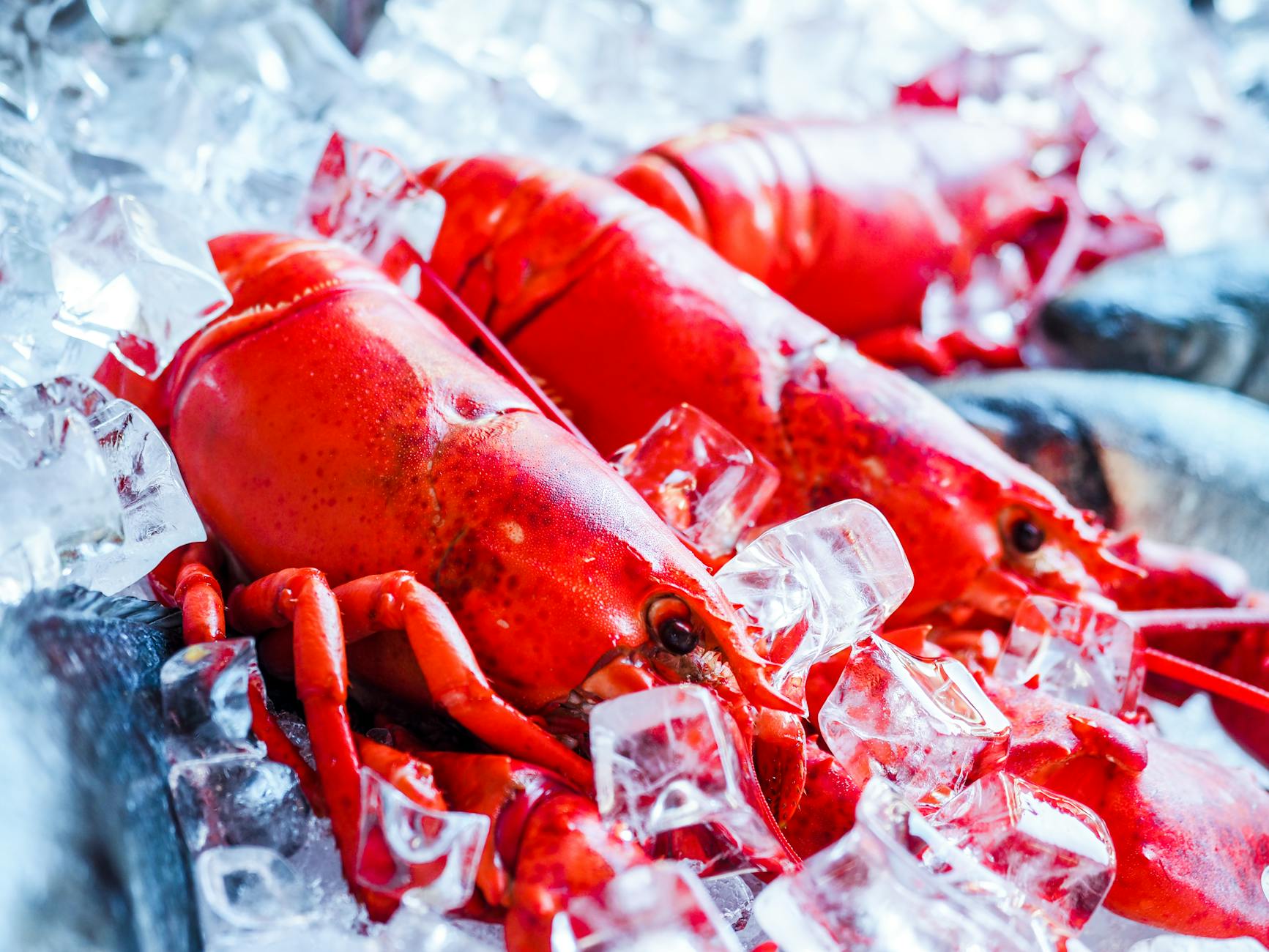
Method 1: Refrigerator Thawing (The Gold Standard)
This is the best way to defrost frozen lobster, period. Place the frozen lobster — whether whole, tail, claw meat, or just the raw meat — in the refrigerator on a plate or in a bowl to catch any drips. Allow approximately 24 hours for a whole lobster or large tail, and 8-12 hours for smaller portions like pre-packaged lobster meat.
The reason refrigerator thawing is superior is temperature control. The lobster stays at a safe temperature (below 40°F) throughout the entire process, preventing bacterial growth. At the same time, the slow thaw allows ice crystals to melt gradually, and the meat reabsorbs much of that moisture rather than releasing it all at once. The result is firm, properly hydrated meat that cooks exactly like fresh.
My strong recommendation: This is the only method I use for any lobster I plan to serve whole or in a presentation-focused dish. The difference in texture between refrigerator-thawed and quick-thawed lobster is night and day. If you care about the final result — and if you bought frozen lobster, you’re spending real money — plan ahead and use the refrigerator. It requires patience, but it delivers every time.
Method 2: Cold Water Thawing (The Fast Backup)
If you forgot to move the lobster to the fridge last night, the cold water method is your next-best option. Keep the lobster in its vacuum-sealed packaging or place it in a sealed plastic bag with all the air squeezed out. Submerge the bag completely in a bowl of cold tap water. Change the water every 30 minutes to keep it cold.
Timing: roughly 30 minutes per pound. A 1.5-pound whole lobster takes about 45 minutes. A single 6-ounce tail takes 15-20 minutes. The key is keeping the water cold — if the water warms up above 40°F, you risk bacterial growth, and the lobster meat can start to cook slightly on the outside while still frozen in the center.
Never use warm water. Never use hot water. Never leave the lobster sitting in the same water for more than 30 minutes without changing it. And never submerge an unsealed lobster directly in water — the meat will absorb water and turn into a spongy, flavorless mess.
Method 3: Direct Cooking From Frozen (When You’re Really in a Rush)
Yes, you can cook frozen lobster without thawing it first. This works best for lobster tails destined for grilling, broiling, or steaming. Simply increase the cooking time by about 50% compared to fresh or thawed lobster. A fresh 6-ounce lobster tail that takes 8-10 minutes to boil will take 14-16 minutes from frozen.
However, direct-from-frozen cooking has a significant downside: the exterior of the meat will be fully cooked and potentially overdone by the time the center reaches the safe internal temperature of 145°F. For thin tails or lobster pieces, this might not matter. For thick, whole lobster tails or whole lobsters, the texture gradient — dry outside, just-done inside — can be disappointing.
My honest opinion: I never cook whole lobsters from frozen. The tail meat suffers too much. For tails that I’m grilling with a marinade or butter baste, cooking from frozen is fine because the basting helps keep the exterior moist. For any other preparation, thaw first. A 20-minute cold water bath isn’t much longer than the cooking time itself, and the texture improvement is dramatic.
Methods to NEVER Use
Three common defrosting shortcuts sound reasonable but will ruin your lobster and potentially make you sick.
Never Use Warm or Hot Water
This is the most common mistake. Warm water thaws the outer layer of the lobster quickly while the inside remains frozen. The warm outer layer reaches temperatures where bacteria multiply rapidly (between 40°F and 140°F). Meanwhile, the uneven thawing creates pockets where the meat is partially cooked and partially raw. The result is a texture that’s simultaneously rubbery and mushy, and you’re rolling the dice on food safety.
Never Use the Microwave
Microwave defrosting cooks the edges of the lobster meat while the center stays frozen. Lobster is too delicate for microwave energy. You’ll end up with tough, rubbery edges and a cold, raw center. The texture is irreparably damaged, and the flavor becomes watery and flat. There is absolutely no scenario where microwaving frozen lobster produces a good result.
Never Leave Lobster Out on the Counter
Leaving frozen (or thawing) lobster on the kitchen counter at room temperature is a food safety violation. The outer surface warms up into the danger zone while the inside is still frozen. After two hours at room temperature, bacteria can multiply to unsafe levels. Always thaw in the refrigerator or in cold water. Never on the counter.
Does the Thawing Method Change How You Cook the Lobster?
Yes. The thawing method affects cooking time and technique. Refrigerator-thawed lobster cooks at the same rate as fresh lobster. Cold water-thawed lobster might need 1-2 minutes less cooking because the meat has already begun absorbing water and the thinner outer edge of the meat is slightly warmer than fridge-cold meat.
If you’re planning to use your thawed lobster in a recipe that calls for pre-cooked meat — like lobster mac and cheese, lobster rolls, or lobster salad — thaw it completely in the refrigerator first, then proceed. If you’re going to boil or steam the lobster as the main event, same rule: full thaw first, then cook to temperature.
The most important rule, regardless of method: cook thawed lobster within 24 hours. Once lobster is fully thawed, the clock starts ticking. If you thaw it in the refrigerator and don’t use it, you can safely keep it for one more day. But for best quality, cook it the same day it thaws. If you’re buying frozen lobster for a holiday meal, plan how much lobster you need per person first and then work backward from your cooking time to determine when to start thawing.
Final Takeaway: Slow and Cold Wins Every Time
Defrosting frozen lobster is not complicated, but it demands patience and the right technique. Refrigerator thawing is the gold standard — 24 hours in advance for whole lobsters, 8-12 hours for tails and meat. Cold water thawing works as a backup if you forgot to plan ahead. Never use warm water, the microwave, or countertop thawing. The few extra hours of planning make the difference between lobster that tastes like the day it was caught and lobster that reminds you it’s been frozen for months. Buy your lobster, freeze it if you must, but thaw it right — your taste buds will thank you.
Leave a Reply