Can You Eat Lobster When Pregnant? Safety, Benefits, and Smart Guidelines
Pregnancy comes with a long list of food restrictions — sushi, soft cheese, deli meat, and for many expecting parents, the question of seafood safety tops the list. Lobster falls into a gray zone for a lot of people. Some hear “shellfish” and immediately think “raw bar, unsafe, avoid.” Others hear “seafood” and worry about mercury. The truth is more reassuring: fully cooked lobster is not only safe during pregnancy, it’s nutritious and beneficial. This guide explains the science, the FDA guidelines, and exactly how to eat lobster safely while pregnant.

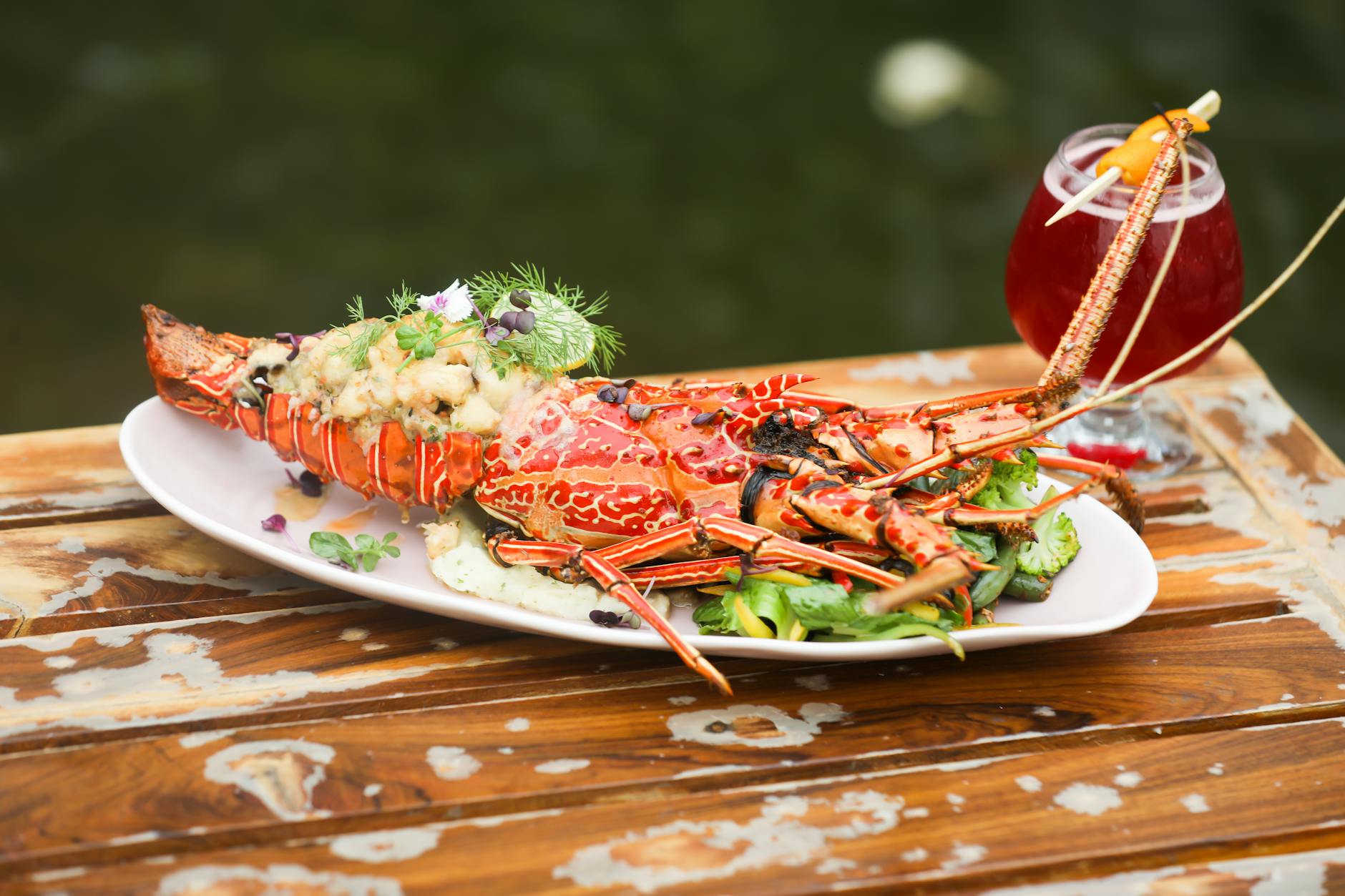
Is Cooked Lobster Safe During Pregnancy?
Yes, according to the FDA and the American College of Obstetricians and Gynecologists, fully cooked lobster is safe to eat during pregnancy. The FDA’s 2023 guidelines on fish consumption list lobster as one of the “Best Choices” for pregnant and breastfeeding women — the highest safety category. This means you can eat two to three servings (8-12 ounces total) of lobster per week without concern.
The key word is “fully cooked.” Lobster needs to reach an internal temperature of 145°F to kill any potential pathogens, including Vibrio bacteria, Listeria, and parasites. When lobster is boiled, steamed, grilled, or roasted to this temperature, it’s as safe as any other thoroughly cooked protein. The pinkish-white opaque meat is your visual cue that it’s ready.
What about pre-cooked frozen lobster from the grocery store? Yes, that’s safe too — it was cooked before freezing. Just reheat it to steaming hot before eating, and don’t eat it cold straight from the fridge if you’re pregnant.
Mercury Levels in Lobster: Low Risk, High Reward
Mercury is the biggest concern people have about seafood during pregnancy. High-mercury fish like shark, swordfish, tilefish, and king mackerel should be avoided entirely. But lobster is low in mercury — about 0.107 parts per million on average, which puts it in the same low-mercury category as sardines, anchovies, and salmon.
To put this in perspective: a 6-ounce serving of lobster tail contains roughly 0.02 mg of mercury. The EPA’s safe daily limit for pregnant women is 0.1 mg per kilogram of body weight per day. For a 150-pound woman, that’s about 6.8 mg per day. You’d need to eat the equivalent of 340 lobster tails in a single day to approach unsafe mercury levels. Realistically, mercury from lobster is not a concern during pregnancy.
My opinion: I think the “all seafood is dangerous during pregnancy” message has done more harm than good. Many pregnant women avoid seafood entirely out of fear, missing out on critical nutrients for fetal brain development. Lobster is one of the safest and most nutritious seafood choices available. Eat it. Enjoy it. Just cook it first.
Nutritional Benefits of Lobster for Pregnancy
Lobster isn’t just safe during pregnancy — it’s actively beneficial. Here’s what you get from a standard 6-ounce serving of cooked lobster meat:
- Protein (28g): Essential for fetal tissue growth, especially in the second and third trimesters.
- Vitamin B12 (10.5 mcg — 175% of daily value): Critical for neural tube development and red blood cell formation. B12 deficiency during pregnancy is linked to neural tube defects.
- Zinc (4.5 mg — 41% of daily value): Supports immune function and cell division during the baby’s rapid growth phases.
- Selenium (75 mcg — 136% of daily value): An antioxidant that helps protect against oxidative stress and supports thyroid function.
- Omega-3 fatty acids (DHA and EPA): Crucial for fetal brain and eye development. Lobster isn’t as omega-3-rich as salmon, but it contributes meaningfully, especially if eaten regularly.
- Iron (0.7 mg): Supports increased blood volume during pregnancy. Lobster isn’t high in iron, but every bit helps alongside other iron-rich foods.
- Low in mercury: As covered above, lobster’s mercury content is minimal and well within safe guidelines.
What to Avoid: Raw Lobster, Lobster Salad, and Risky Preparations
While cooked lobster is safe, certain preparations carry risks that make them inadvisable during pregnancy:
Raw lobster: This is a hard no. Raw or undercooked lobster can carry Vibrio bacteria, which causes vibriosis — a foodborne illness with symptoms similar to severe food poisoning. For pregnant women, the risk is compounded because the immune system is naturally suppressed during pregnancy, making it harder to fight off infections. Vibrio infection during pregnancy can lead to serious complications. Do not eat raw lobster sashimi, ceviche, or tartare while pregnant.
Lobster salad from deli counters: The issue here isn’t the lobster itself but the handling and potential cross-contamination in deli environments. Pre-made seafood salads at room temperature or improperly refrigerated can harbor Listeria, which is particularly dangerous during pregnancy. If you want lobster salad, make it fresh at home with fully cooked lobster meat and eat it immediately.
Fried lobster from questionable sources: Not a safety issue per se, but fried lobster often uses batters with empty calories, and the frying oil quality varies. If you’re eating fried lobster at a reputable restaurant with high oil turnover, it’s fine in moderation. Just make sure the lobster inside is fully cooked, not just the batter.
Lobster with heavy cream sauces that have been sitting out: In restaurant settings, if the lobster dish has been sitting at room temperature for more than two hours, the risk of bacterial growth increases. Order fresh, not buffet-style.
How Much Lobster Can You Eat Per Week While Pregnant?
The FDA’s recommendation for fish categorized as “Best Choices” — which includes lobster — is two to three servings per week. A serving is 4-6 ounces of cooked meat. That means you can safely eat up to 12-18 ounces of cooked lobster meat per week throughout your pregnancy.
If you also eat other low-mercury fish like salmon, shrimp, or cod in the same week, just keep the total within the recommended range. The concern at that point isn’t mercury but simply dietary balance — variety is important during pregnancy. If you’re wondering how much lobster to buy to get a serving of meat, our common lobster questions guide covers how much meat you get per pound of whole lobster so you can shop with confidence.
Final Takeaway: Cook It Through, Then Enjoy Without Guilt
Lobster is safe, nutritious, and recommended during pregnancy when fully cooked. The FDA places it in the “Best Choices” category alongside salmon and shrimp. It’s low in mercury, high in protein and B12, and provides critical nutrients for fetal development. Skip the raw preparations, avoid deli counter salads, and cook your lobster until the meat is opaque and steaming hot. Next time you’re craving a lobster dinner, you don’t need to feel guilty — just cook it right and enjoy one of the healthiest protein sources the ocean has to offer.
Leave a Reply