Can Dogs Eat Lobster? A Veterinarian-Informed Guide for Pet Owners
You’re sitting down to a beautiful steamed lobster dinner, and your dog is staring at you with those eyes. The ones that say, “I deserve some of that.” And you wonder — can dogs eat lobster? The short answer is yes, but only under very specific conditions. Cooked lobster meat, served plain and in small portions, is generally safe for dogs. But the shells, the butter, the seasonings, and the raw versions are all off the table. This guide walks you through exactly what’s safe, what’s dangerous, and what to do if your dog eats something they shouldn’t.

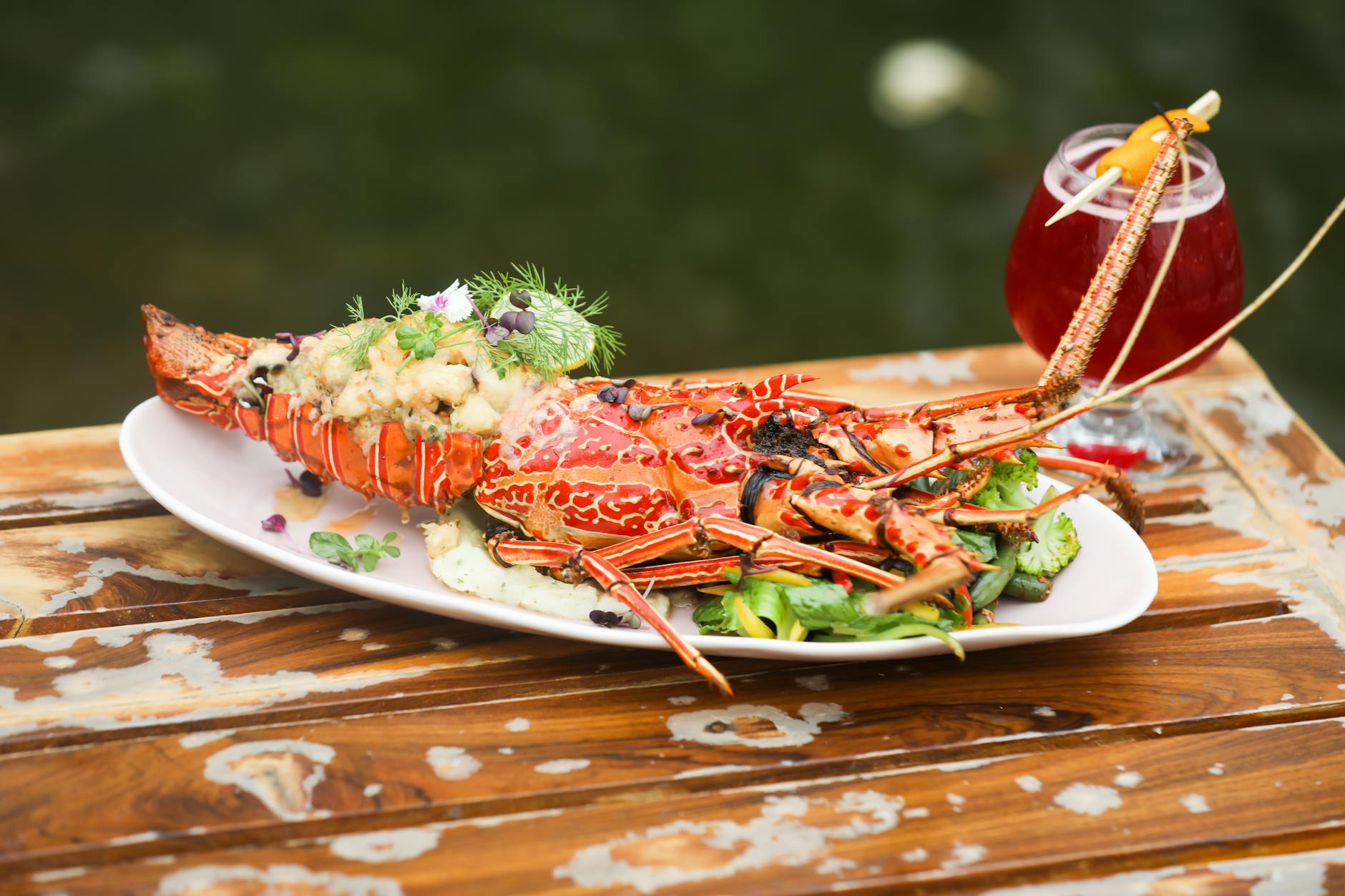
Is Cooked Lobster Safe for Dogs?
Plain, fully cooked lobster meat is safe for dogs in moderation. It’s a lean source of protein, rich in omega-3 fatty acids, and contains beneficial minerals like zinc, phosphorus, and selenium. Many premium dog foods already include fish-based proteins, and lobster is essentially the same category — high-quality marine protein.
That said, there are strict rules. The lobster must be cooked through — no pink, no translucent sections. Dogs’ digestive systems handle cooked proteins better than raw ones, and thorough cooking eliminates potential pathogens like Vibrio or Salmonella that could make your dog sick. The meat also needs to be completely plain. No garlic butter. No lemon pepper seasoning. No drawn butter. Garlic and onions are toxic to dogs, and the high fat content in butter can trigger pancreatitis, especially in smaller breeds.
Knowing whether your lobster is truly fresh matters here too, since feeding your dog something borderline is even riskier. If you’re unsure about the quality of the meat you’re about to share, learn how to tell if your lobster is fresh before offering any to your pet.
Why Lobster Shells Are Dangerous for Dogs
This is where most problems happen. If your dog snatches a lobster claw or tail shell from the trash or off your plate, you need to act. Lobster shells are sharp, brittle, and practically indigestible. When a dog chews on a shell, it can splinter into razor-sharp fragments that can cause serious internal damage.
Common risks include:
- Choking: Shell pieces can lodge in the throat or esophagus
- Gastrointestinal perforation: Sharp shards can pierce the stomach or intestinal lining
- Intestinal blockage: Larger shell fragments can cause an obstruction that requires surgery
- Constipation or impaction: Even small pieces can compact in the colon
My take: I’ve seen too many emergency vet bills from shell ingestion. I treat lobster shells the same way I treat chicken bones — they go straight into the outside trash, not the kitchen bin, so no dog can get to them. If your dog is a known counter-surfer or trash-diver, dispose of shells immediately after the meal.
Portion Size: How Much Lobster Can a Dog Eat?
Moderation is everything. A few small pieces of plain cooked lobster meat as an occasional treat is fine. As a general rule, treats — including lobster — should make up no more than 10% of your dog’s daily calorie intake.
For a medium-sized dog (around 25-40 pounds), that means roughly one to two ounces of lobster meat at most, and not every day. For small dogs under 15 pounds, think more along the lines of a single bite-sized piece. For large breeds over 70 pounds, you can go up to three or four ounces, but again — not a daily thing.
The biggest concern with overfeeding lobster isn’t toxicity; it’s the cholesterol and sodium content. A single lobster tail contains significant amounts of dietary cholesterol, and while that’s less of a concern for humans, dogs process dietary fats differently. Too much can cause gastrointestinal upset, vomiting, or diarrhea.
Can Dogs Eat Raw Lobster?
No. Absolutely not. Raw lobster carries the same risks for dogs as it does for humans — Vibrio bacteria, parasites, and potential foodborne illness. The difference is that dogs can’t tell you their stomach hurts. By the time you notice symptoms (vomiting, lethargy, loss of appetite), the infection could already be well established.
Raw lobster also contains thiaminase, an enzyme that breaks down thiamine (Vitamin B1). In high enough quantities over time, this could lead to thiamine deficiency, which causes neurological issues in dogs. While a single nibble of raw lobster probably won’t cause this, it’s not worth the risk.
What to Do If Your Dog Eats a Lobster Shell
First, don’t panic — but do act. Remove any remaining shell pieces from your dog’s reach and try to figure out how much they actually ate. A small fragment that passes through might cause no issues at all. A larger piece or multiple pieces require attention.
Here’s your action plan:
- Call your veterinarian immediately. Describe what your dog ate, how much, and what size dog you have.
- Watch for symptoms over the next 24-48 hours: vomiting, refusal to eat, straining to poop, bloody stool, lethargy, or whining when touched on the belly.
- Don’t induce vomiting unless your vet specifically tells you to. Sharp shell fragments can cause more damage coming back up.
- Keep your dog hydrated and offer a bland diet (plain rice and boiled chicken) for the next day or two.
My strong opinion: If your dog is showing ANY of the symptoms above, don’t wait it out. A foreign body obstruction can turn from “let’s see how he does overnight” to emergency surgery in a matter of hours. I’d rather pay for a vet exam that turns out to be nothing than schedule that same exam at 2 AM in an emergency room.
Final Takeaway: Yes, You Can Share — But Be Smart About It
Dogs can safely enjoy small amounts of plain, fully cooked lobster meat as an occasional treat. The protein is high quality, the omega-3s are beneficial, and most dogs absolutely love the taste. But the rules are non-negotiable: cook it fully, serve it plain, keep portions small, and keep those shells far away. If you’re interested in other common questions about keeping lobster at home, our comprehensive lobster FAQ covers everything from storage to preparation. Next time you’re planning a lobster dinner for the family, set aside a small piece of plain meat for your four-legged friend before you add the butter. They’ll love you for it — and you’ll know exactly what’s safe to share.
Leave a Reply