Lobster Sushi and Maki Rolls Guide — Roll Like a Pro at Home
Sushi might seem like something best left to the professionals, but making lobster sushi at home is more achievable than you think — and honestly, more satisfying than ordering in. When you use fresh, sweet lobster meat as your centrepiece, you’re working with an ingredient that rivals the best sushi-grade fish. Lobster has a naturally sweet, clean flavour and a firm texture that holds up beautifully in maki rolls, nigiri, and even inside-out rolls. This guide covers everything you need to know to make lobster sushi at home: how to prepare the lobster, how to season the rice, how to roll tight maki, and how to build the perfect tempura lobster roll with that coveted crispy-meets-tender contrast.

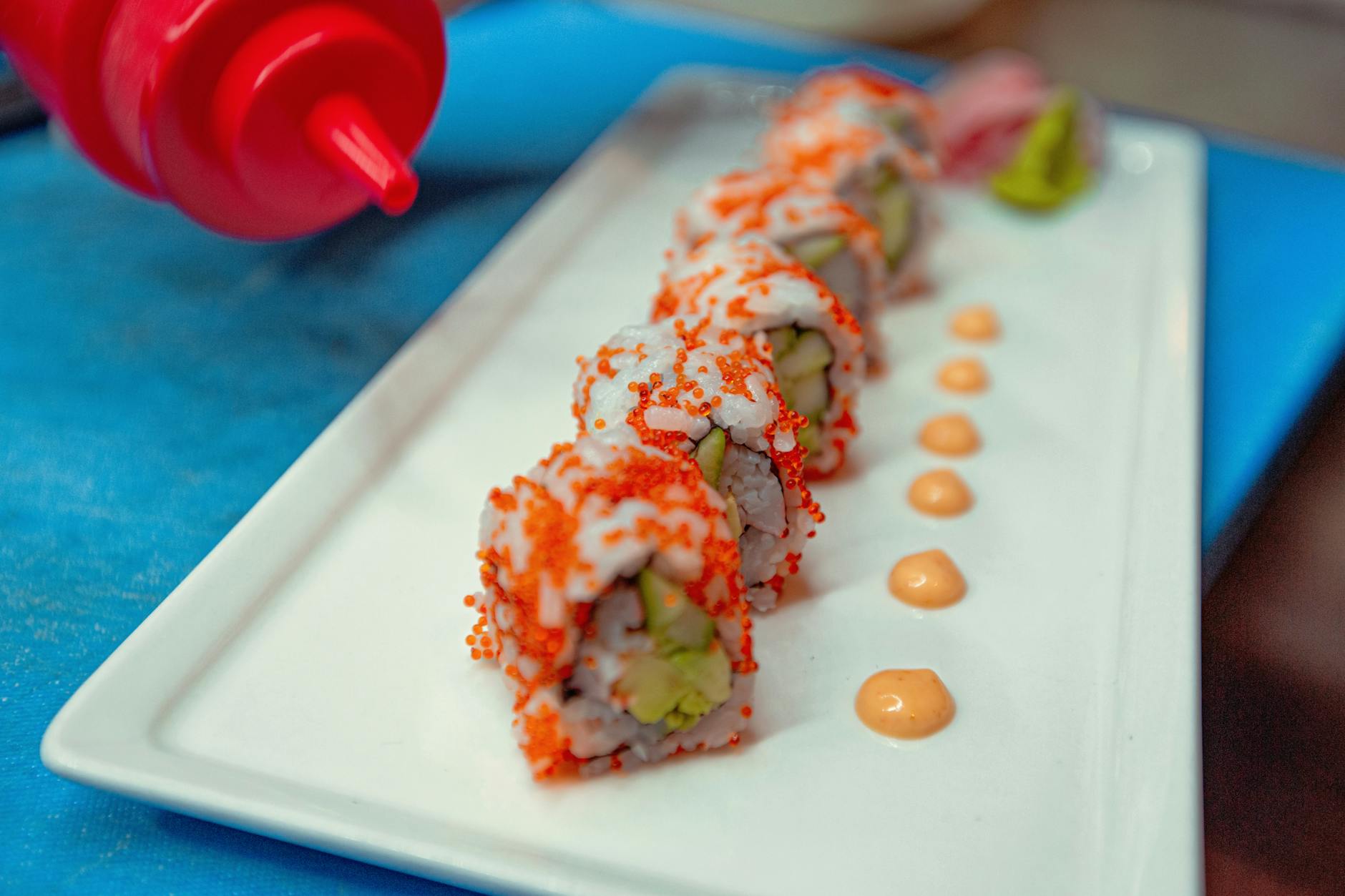
What You’ll Need for Lobster Sushi
Before you start rolling, gather your tools and ingredients. Having everything prepped and within reach — what the Japanese call mise en place — makes the rolling process smooth and stress-free.
- 2 cooked lobster tails, meat removed and sliced lengthwise into strips
- 2 cups sushi rice (short-grain Japanese rice)
- 2 1/2 cups water
- 1/3 cup rice vinegar
- 2 tablespoons sugar
- 1 teaspoon salt
- 4–6 sheets nori (dried seaweed)
- 1/2 cucumber, cut into thin strips
- 1 avocado, sliced
- Japanese mayonnaise (Kewpie is ideal)
- Soy sauce, for serving
- Pickled ginger and wasabi, for serving
- Optional: tempura batter mix for crispy lobster rolls
Choosing the Right Lobster for Sushi
The quality of your lobster matters enormously in sushi, where the flavour is front and centre with minimal embellishment. I prefer cold-water lobster from Maine or Canada for sushi because the meat is firmer and sweeter than warm-water spiny lobster. If you’re using frozen lobster tails, thaw them overnight in the refrigerator and pat them very dry before using — excess water will ruin the texture of your rolls and make the nori soggy. For nigiri-style sushi, I like to slice the lobster tail meat into thin, even pieces against the grain, then lightly score the surface so the soy sauce clings better. If you’re new to cooking lobster at home, our guide to cooking lobster covers everything from boiling to steaming so you get perfectly cooked meat every time.
Preparing the Sushi Rice
Good sushi rice is non-negotiable. Rinse 2 cups of sushi rice in cold water until the water runs clear — this removes excess starch and prevents gummy rice. Cook according to your rice cooker or stovetop method. While the rice cooks, combine the rice vinegar, sugar, and salt in a small saucepan over low heat until dissolved. When the rice is done, transfer it to a large wooden or glass bowl (never metal — the vinegar reacts). Fold the vinegar mixture into the rice using a cutting motion with a rice paddle or spatula. Fan the rice as you mix to cool it down. The rice should be glossy, slightly sticky, and at body temperature before you roll. Seasoned rice can be kept covered with a damp cloth for a few hours, but don’t refrigerate it — cold rice ruins the texture.
How to Make Lobster Maki Rolls — Step by Step
Place a sheet of nori, shiny side down, on a sushi rolling mat (makisu) wrapped in plastic wrap. Wet your hands with vinegar water to prevent sticking. Spread a thin, even layer of rice over the nori, leaving a 1-inch strip at the top edge uncovered. For inside-out rolls (uramaki), flip the nori so the rice faces down on the mat. Lay your fillings — lobster strips, cucumber, and avocado — in a line across the centre. If you’re making tempura lobster rolls, lightly coat the lobster strips in tempura batter, fry until golden, and let them cool before rolling. Using the mat, lift the bottom edge of the nori and roll away from you, tucking the fillings tightly as you go. Squeeze gently along the roll to seal. Slice each roll into 6–8 pieces using a sharp, wet knife. Clean the blade between cuts for clean edges.
We earn a commission if you purchase through our links, at no extra cost to you.
My Opinion on Lobster in Sushi — Why It Works
I’ll say what not enough sushi fans will admit: lobster is actually a better sushi ingredient than many premium fish. Here’s why — lobster has a cleaner, brighter sweetness than tuna or salmon, and its texture doesn’t break down the way raw fish does. It’s also more forgiving for home cooks because cooked lobster is food-safe by default, so there’s no worry about sourcing sashimi-grade anything. I prefer lobster rolls with a light smear of Kewpie mayonnaise and a touch of sriracha — the creamy-spicy combination elevates the lobster without hiding it. A plain lobster maki with just cucumber and avocado is lovely too, but if you’re going to the effort of making sushi at home, I say go bold with a dynamite-style lobster roll. Don’t drown it in sauce, though — let the lobster speak.
The Best Lobster Sushi Variations to Try
Once you’ve mastered the basic lobster maki roll, the possibilities open up. Try a lobster California roll — use crab stick and avocado as the base, then top with sliced lobster and a drizzle of spicy mayo. For a showstopper, make a lobster dragon roll: an inside-out roll topped with thin avocado slices arranged like scales, with lobster pieces peeking out at the ends. Lobster nigiri is the simplest but most elegant — a small oval of seasoned rice topped with a slice of lobster, brushed with soy glaze, and finished with a tiny dab of wasabi. If you’re looking for more ideas for using leftover cooked lobster, our beginner’s guide has plenty of suggestions to keep you inspired in the kitchen.
Common Mistakes to Avoid When Making Lobster Sushi
The most common mistake I see is overfilling the rolls. Less is more — if you cram too much into a maki roll, it won’t close properly and will fall apart when you slice it. Use thin, even strips of lobster and a modest amount of avocado and cucumber. Another frequent error is using wet lobster. Pat the cooked meat dry with paper towels before assembling. Wet lobster makes the nori chewy and ruins the texture contrast that makes lobster sushi so satisfying. Also, don’t press too hard when rolling — firm but gentle pressure gives you a tight roll without squishing the fillings out the ends. And please, use a sharp knife. A dull blade will crush the roll rather than slice it cleanly.
Final Thoughts — Lobster Sushi Is Worth the Effort
Making lobster sushi at home is one of those kitchen projects that feels intimidating until you actually do it — and then you realise the biggest hurdle is just getting started. The first roll might be a little loose, the second will look better, and by the third you’ll feel like you could open a takeaway spot. That moment when you bite into a piece of tempura lobster roll and get that crunch followed by the sweet, tender lobster and creamy avocado — that’s the reward. It’s a genuine thrill, and it tastes better than anything you’d order because you made it yourself. Grab a sushi rolling mat, pick up some good lobster, and give it a try. You’ll be amazed at what you can roll up in your own kitchen.
Leave a Reply